
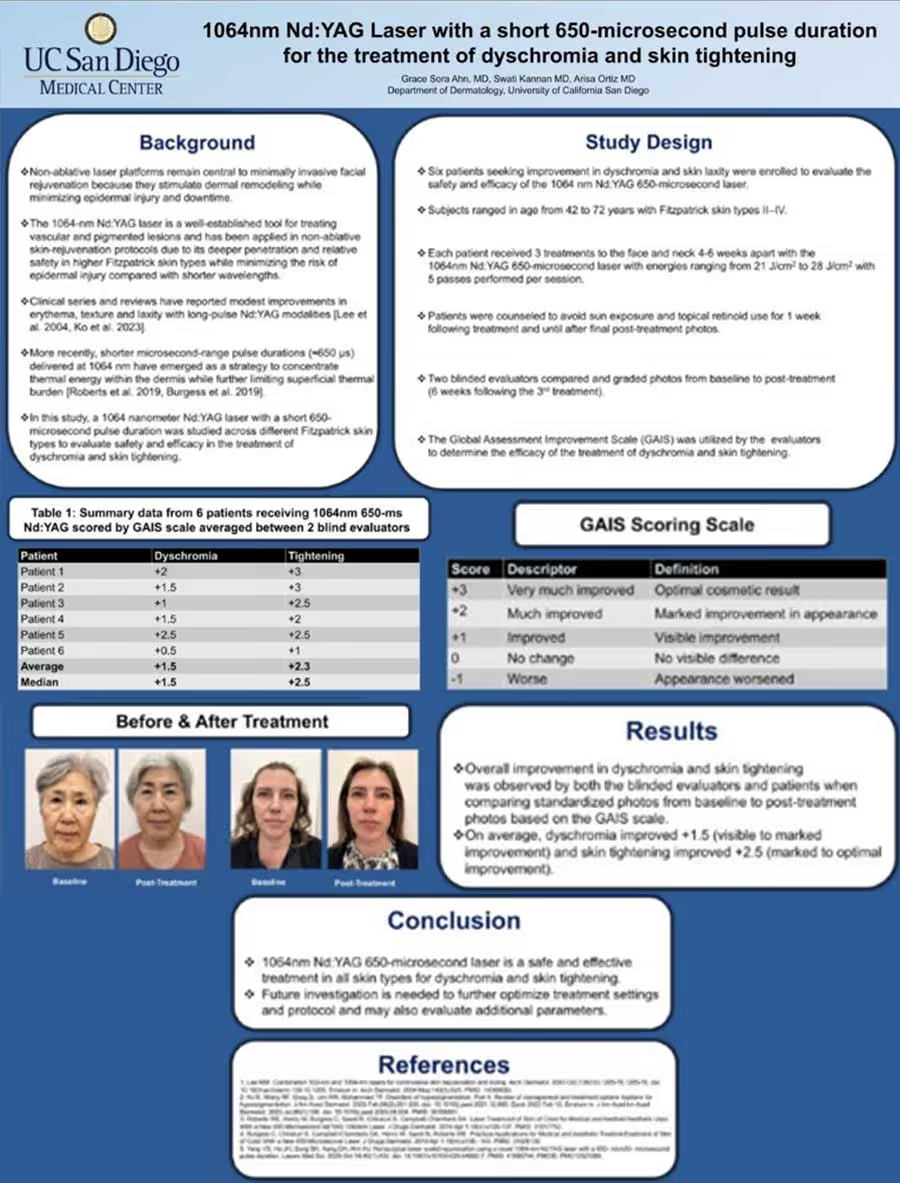
1064nm Nd:YAG Laser with a short 650-microsecond pulse duration for the treatment of dyschromia and skin tightening
Grace Sora Ahn, MD, Swati Kanna, MD, Arisa Ortiz, MD, Department of Dermatology, University of California San Diego
Background
Non-ablative laser platforms remain central to minimally invasive facial rejuvenation because they stimulate dermal remodeling while minimizing epidermal injury and downtime.
The 1064-nm Nd:YAG laser is a well-established tool for treating vascular and pigmented lesions and has been applied in non-ablative skin-rejuvenation protocols due to its deeper penetration and relative safety in higher Fitzpatrick skin types while minimizing the risk of epidermal injury compared to shorter wavelengths.
Clinical series and reviews have reported modest improvements in erythema, texture and laxity with long-pulse Nd:YAG modalities [Lee et al. 2004, Ko et al. 2023].
More recently, shorter microsecond-range pulse durations (~650 μs) delivered at 1064nm have emerged as a strategy to concentrate thermal energy within the dermis while further limiting superficial thermal burden [Roberts et al. 2019, Burgess est al. 2019].
In this study, a 1064 nanometer Nd:YAG laser with a short 650-microsecond pulse duration was studied across different Fitzpatrick skin types to evaluate safety and efficacy in the treatment of dyschromia and skin tightening.
Study Design
Six patients seeking improvement in dyschromia and skin laxity were enrolled to evaluate the safety and efficacy of the 1064nm Nd:YAG 650-microsecond laser.
Subjects ranged in age from 42 to 72 years with Fitzpatrick skin types II-IV.
Each patient received 3 treatments to the face and neck 4-6 weeks apart with the 1064nm Nd:YAG 650-microsecond laser with energies ranging from 21 J/cm2 to 28 J/cm2 with 5 passes performed per session.
Patients were counseled to avoid sun exposure and topical retinoid use for 1 week following treatment and until after final post-treatment photos.
Two blinded evaluators compared and graded photos from baseline to post-treatment (6 weeks following the 3rd treatment).
The Global Assessment Improvement Scale (GAIS) was utilized by the evaluators to determine the efficacy of the treatment of dyschromia and skin tightening.
GAIS Scoring Scale
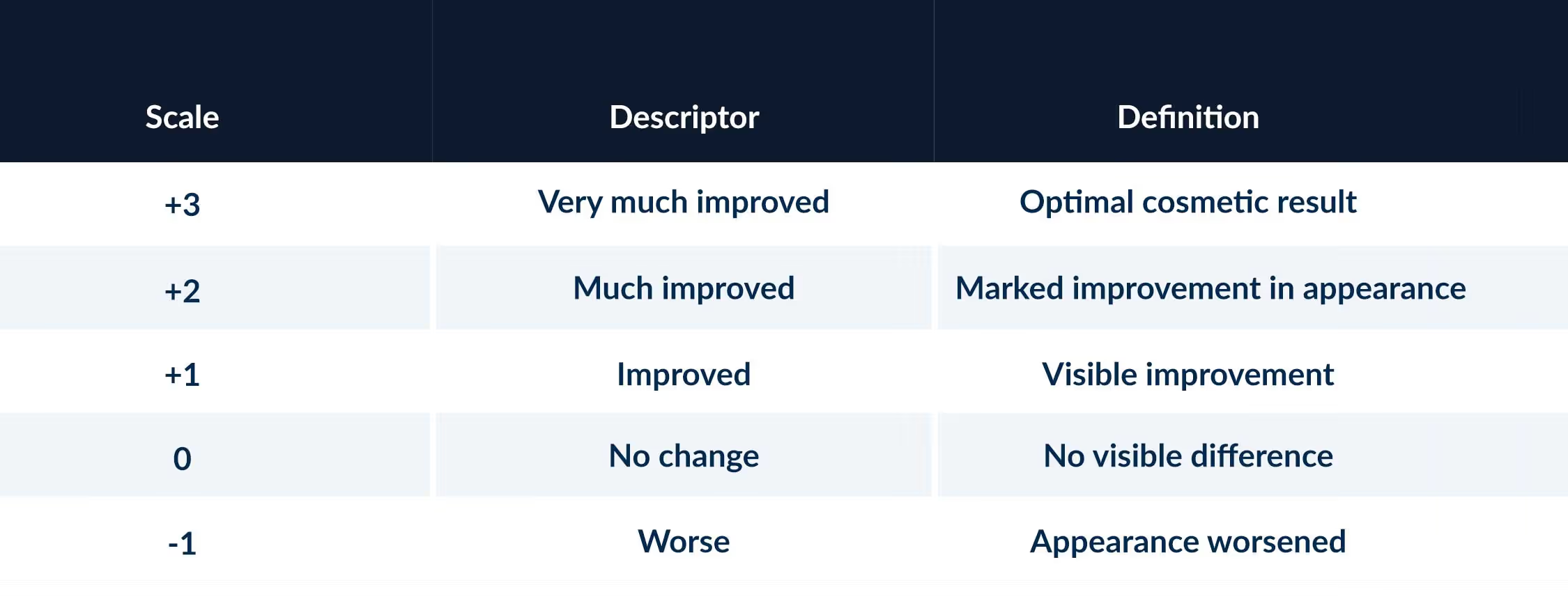
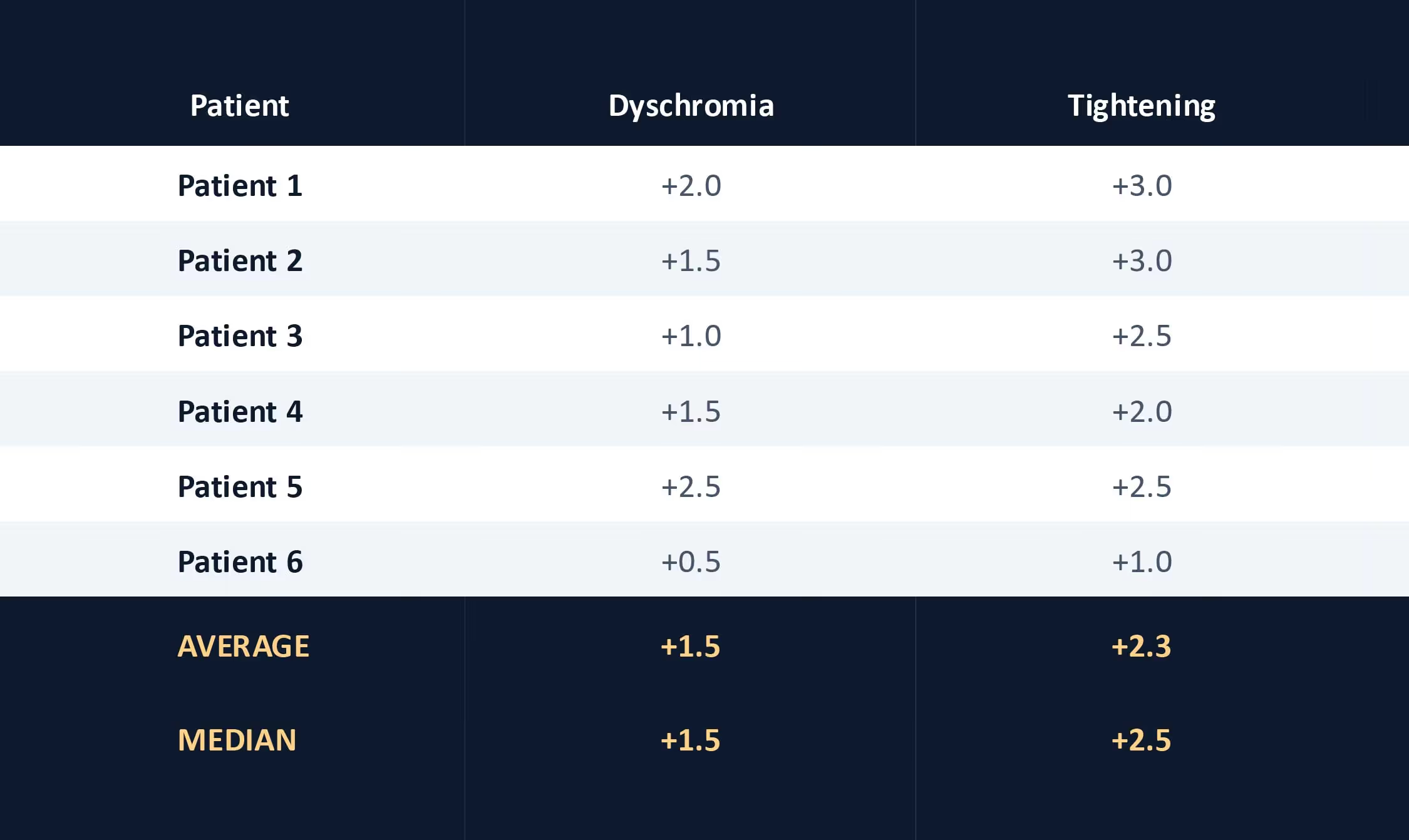
Table 1
Summary data from 6 patients receiving 1064nm 650-microsecond Nd:YAG scored by GAIS scale averaged between 2 blind evaluators
Results
Overall improvement in dyschromia and skin tightening was observed by both the blinded evaluators and patients when comparing standardized photos from baseline to post-treatment photos based on the GAIS scale.
On average, dyschromia improved +1.5 (visible to marked improvement) and skin tightening improved +2.5 (marked to optimal improvement).
Conclusion
1064nm Nd:YAG 650-microsecond laser in a safe and effective treatment in all skin types for dyschromia and skin tightening.
Future investigation is needed to further optimize treatment setting and protocol and may also evaluate additional parameters.
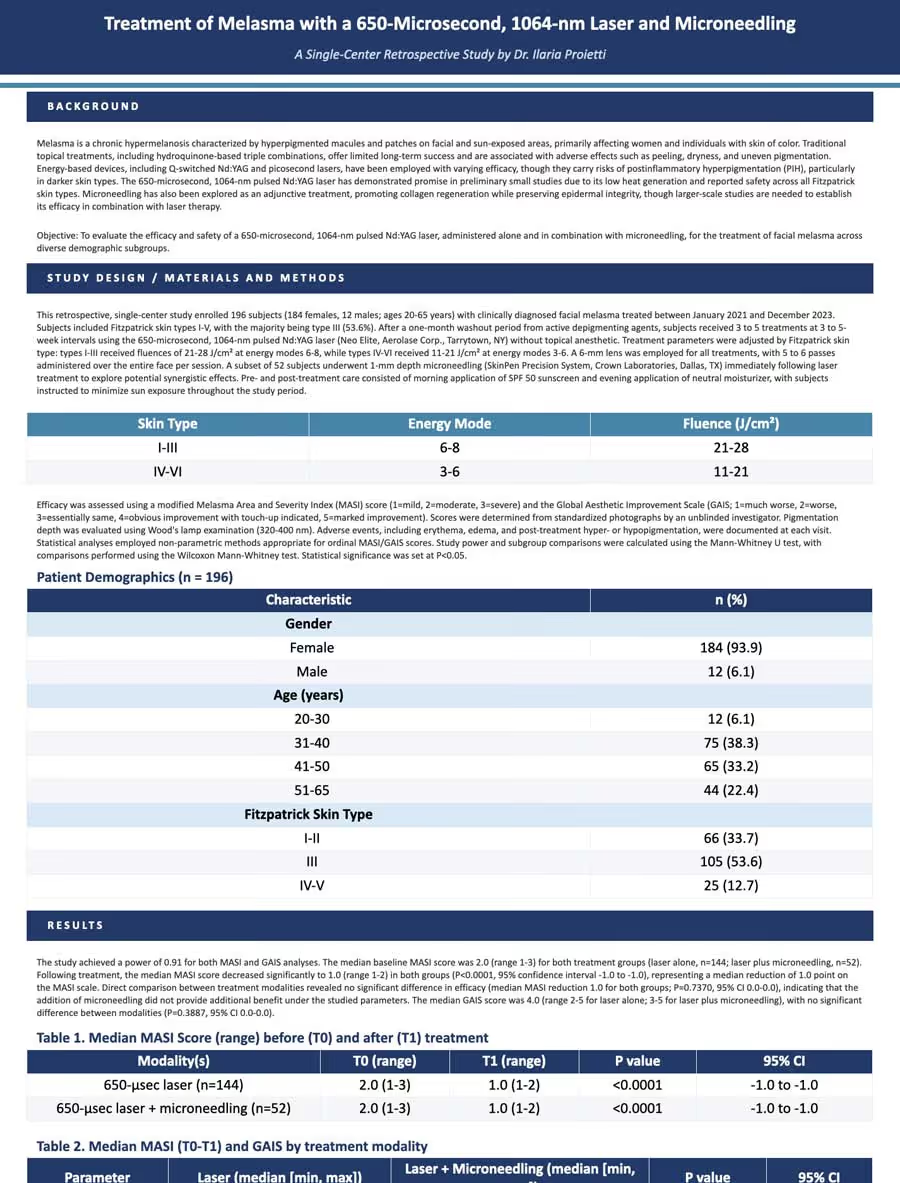
Treatment of Melasma with a 650-Microsecond, 1064-nm Laser and Microneedling
The objective of this study is to evaluate the efficacy and safety of a 650-microsecond, 1064-nm pulsed Nd:YAG laser, administered alone and in combination with microneedling, for the treatment of facial melasma across diverse demographic subgroups.
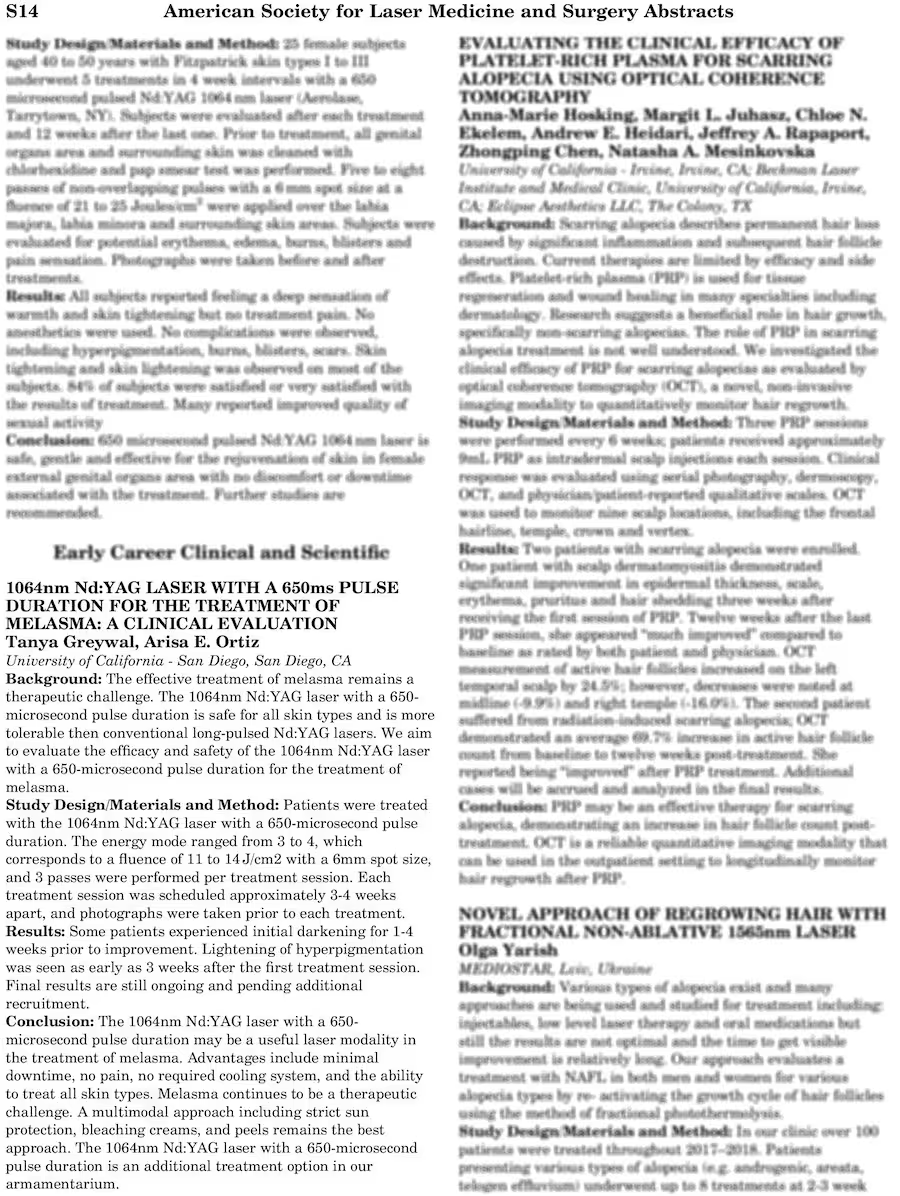
1064nm Nd:YAG Laser with a 650ms Pulse Duration for the Treatment of Melasma: A Clinical Evaluation
We aim to evaluate the efficacy and safety of the 1064nm Nd:YAG laser with a 650-microsecond pulse duration for the treatment of melasma.