
What Is an In-Office Acne Treatment for All Skin Tones?

Exploring nonprescription laser acne treatment options for dermatology and aesthetic practices.
Acne affects patients of all ages and skin tones, but finding the right treatment is rarely one-size-fits-all. For those within the medical aesthetics space, treatment planning involves more than reducing active breakouts. It also requires considering the internal and post-sequale effects of acne such as inflammation, skin sensitivity, post-inflammatory hyperpigmentation (PIH), tolerability, and long-term management.
While topical and oral medications remain important components of acne care, not every patient wants or is an appropriate candidate for a prescription-based approach.
One nonprescription in-office option is laser acne treatment. Specifically, 650-microsecond 1064 nm Nd laser technology offers an approach to treating active acne across Fitzpatrick skin types I–VI.
What Are Nonprescription In-Office Acne Treatments?
Nonprescription in-office acne treatments are professional procedures that may help manage acne without requiring a prescription medication as the primary treatment.
Depending on the patient's acne type, severity, skin tone, and clinical history, these options may include:
- Laser and light-based therapy: Uses targeted energy to help reduce acne lesions and address contributing factors such as inflammation and excess sebum.
- Chemical peels: Use exfoliating agents to address clogged pores and certain superficial acne-related concerns.
- Professional extractions: Remove selected comedones when clinically appropriate.
- Other device-based procedures: May be considered depending on the technology, treatment indication, and patient characteristics.
These options differ substantially in their clinical evidence, mechanisms of action, suitability, and risks.
Importantly, nonprescription does not mean that professional evaluation is unnecessary or that treatment should replace medically indicated acne therapy.
For practices seeking a device-based approach across a broad range of skin tones, 1064 nm Nd laser technology is one option worth evaluating.
How Does Laser Acne Treatment Work?
Laser acne treatment uses controlled light energy to address structures and processes involved in acne development.
Acne is a multifactorial condition involving excess sebum production, follicular obstruction, microbial activity, and inflammation. Addressing these interconnected processes is an important part of acne management.
The Aerolase Neo Elite® uses a 1064 nm Nd wavelength with a 650-microsecond pulse duration.
This technology is designed to deliver laser energy into the skin while limiting unnecessary thermal exposure to surrounding tissue.
Its proposed acne-related effects include:
- Sebum regulation: Thermal effects on the pilosebaceous unit may help reduce excess oil production.
- Inflammation management: Laser energy may help reduce the inflammatory activity associated with active acne lesions.
- Reduction of acne-associated microbial activity: Laser treatment may influence factors associated with Cutibacterium acnes, although the relative contribution of this mechanism requires further study.
Unlike treatments focused primarily on exfoliating the skin's surface, the Neo Elite provides a non-ablative approach that does not depend on removing the epidermis.
This makes it a potential option for practices treating active acne while seeking to minimize disruption to the skin's surface.
Can Laser Acne Treatment Be Used on All Skin Tones?
Yes. Certain laser technologies, including the 650-microsecond 1064 nm Nd laser, have been studied for acne treatment across Fitzpatrick skin types I–VI. However, suitability and safety depend on the device, treatment parameters, practitioner experience, and individual patient characteristics.
This distinction is particularly important when treating patients with darker skin tones.
Patients with skin of color may be more susceptible to post-inflammatory hyperpigmentation following acne lesions or skin injury. Procedures that cause excessive epidermal inflammation can create additional pigmentary concerns.
The 1064 nm wavelength has relatively low epidermal melanin absorption compared with many shorter wavelengths, supporting its use in higher Fitzpatrick skin types when appropriately administered.
The Neo Elite combines this wavelength with a 650-microsecond pulse duration designed to limit thermal diffusion.
For practitioners, this offers an approach to acne treatment that can be adapted across a diverse patient population.
However, no laser procedure is entirely risk-free. Burns, pigmentary changes, and other complications remain possible, making proper patient selection and device-specific protocols essential.
What Does Clinical Research Show About 650-Microsecond Laser Acne Treatment?
Clinical research provides evidence supporting the use of 650-microsecond 1064 nm Nd laser treatment for active acne, although larger controlled studies are still needed.
87% Median Acne Lesion Reduction at 90 Days
A 2024 prospective study published in the Journal of Drugs in Dermatology evaluated 650-microsecond 1064 nm Nd laser therapy in patients with mild to severe facial acne across Fitzpatrick skin types I–VI.
Participants received five treatments at two-week intervals.
Researchers reported:
- 48.15% median reduction in acne lesion count after one treatment.
- 83.72% median lesion reduction by the third treatment.
- 86.67% median lesion reduction at the 90-day follow-up.
- 90% patient satisfaction, ranging from slightly to highly satisfied, after three treatments.
No adverse events were observed in the study, and treatments were performed without anesthesia or skin cooling.
These findings support the potential of 650-microsecond laser therapy as a well-tolerated acne treatment option. Results represent this study population and should not be interpreted as guaranteed outcomes.
Source: Saedi N, Griffin T Jr, Kelly S. Journal of Drugs in Dermatology. 2024;23(11):957–964.
Additional Evidence From a 225-Patient Study
A retrospective study published in the Journal of Cosmetic Dermatology evaluated 225 patients, ages 14–61, treated with the Aerolase Neo Elite for mild to severe facial acne.
The analysis found that:
- 48% of patients achieved clearance as defined by the study's assessment criteria.
- The median number of treatments to clearance was three.
- Reported adverse effects were limited to acne flare-ups and dryness.
- Most assessed outcomes did not differ significantly between white patients and patients with skin of color.
The study also documented the use of laser therapy alongside conventional acne treatments, reinforcing its potential role in individualized combination care.
Because the research was retrospective, it cannot establish that laser treatment alone caused every observed outcome.
Source: Olugbade ID, Petty AC, Imahiyerobo-Ip J. Journal of Cosmetic Dermatology. 2025;24(2).
Which Patients May Be Candidates for In-Office Laser Acne Treatment?
For dermatology and aesthetic practices, patient selection is central to both safety and treatment satisfaction.
Potential candidates may include:
Teenagers With Persistent Acne
Adolescent patients may benefit from a professional treatment approach when acne remains active despite an appropriate skincare routine. Age, acne severity, and the need for medical management should be considered before treatment.
Adults Experiencing Recurrent Breakouts
Adult acne can involve inflammatory lesions, changing skin sensitivity, and recurring flare-ups. Laser therapy may be considered as part of a broader treatment strategy.
Patients With Skin of Color
For patients at increased risk of PIH, technologies with established experience across higher Fitzpatrick skin types may be particularly relevant.
Patients Seeking a Nonprescription Procedure
Some patients prefer to explore options that do not rely primarily on prescription medications. Laser treatment can provide another avenue for discussion when clinically appropriate.
Patients Requiring a Combination Approach
Laser therapy may also complement topical or systemic acne management rather than replace it.
Patients with severe nodular acne, acne-related scarring, or substantial psychosocial distress warrant medical assessment and evidence-based treatment. Laser therapy should not delay indicated care.
What Can Patients Expect During Laser Acne Treatment?
A typical treatment journey begins with a clinical consultation to evaluate acne severity, skin type, medical history, current medications, and treatment goals.
With the Neo Elite, the practitioner delivers non-ablative laser energy to the treatment area using an appropriate acne protocol.
Treatments are generally brief, and anesthesia or external skin cooling is not routinely required under studied protocols.
Patients may experience temporary warmth or redness, and individual responses vary.
Most acne treatment plans involve multiple sessions rather than a single procedure.
Video duration: 2 minutes.

Published Neo Elite studies have used treatment series ranging from three to five or more sessions, with intervals determined by the protocol and patient response.
Follow-up assessments help practitioners evaluate improvements, adjust treatment planning, and determine whether additional therapies are needed.
Where Does Laser Therapy Fit in a Modern Acne Practice?
For dermatology clinics and medical spas, laser acne treatment can expand the options available to patients with different treatment preferences and skin characteristics.
The clinical opportunity is not simply to replace one acne treatment with another. It is to build a more flexible treatment pathway.
The Neo Elite's ability to treat patients across Fitzpatrick skin types I–VI can also help practices provide services to a more diverse patient population.
For practice owners, relevant considerations include treatment versatility, staff training, clinical oversight, patient education, workflow integration, and realistic expectations for the number of sessions required.
A well-designed acne program should combine appropriate clinical assessment with clear treatment goals and continued monitoring.
Expanding Acne Treatment Options Across Skin Tones
As patient expectations evolve, dermatology and aesthetic practices have an opportunity to offer more individualized approaches to acne management.
Nonprescription in-office procedures can complement established medical therapies, particularly when practitioners carefully consider acne severity, skin tone, patient preferences, and treatment goals.
With clinical research supporting its use across Fitzpatrick skin types I–VI, the Aerolase Neo Elite® represents one option for practices exploring non-ablative laser acne treatment.
The objective is not simply clearer skin. It is to provide clinically informed treatment options that support the needs of a diverse patient population.
Explore Aerolase Neo Elite to learn more about 650-microsecond laser technology, clinical research, and its role in professional acne treatment.
Clinical References
- Saedi N, Griffin T Jr, Kelly S. Treatment of Mild to Severe Acne Vulgaris With a 650-Microsecond 1064-nm Nd Laser. J Drugs Dermatol. 2024;23(11):957–964. https://doi.org/10.36849/JDD.8171
- Olugbade ID, Petty AC, Imahiyerobo-Ip J. Treatment of Acne Vulgaris With a 650-ms, 1064-nm Nd Laser: A Retrospective Study. J Cosmet Dermatol. 2025;24(2). https://doi.org/10.1111/jocd.16711
- Kesty K, Goldberg DJ. 650 usec 1064nm Nd Laser Treatment of Acne: A Double-Blind Randomized Control Study. J Cosmet Dermatol. 2020;19(9):2295–2300. https://doi.org/10.1111/jocd.13480
- Reynolds RV, et al. Guidelines of Care for the Management of Acne Vulgaris. J Am Acad Dermatol. 2024;90(5):1006.e1–1006.e30. https://doi.org/10.1016/j.jaad.2023.12.017

There is no single best treatment for every patient. Options include laser therapy, selected chemical peels, and professional extractions. The most appropriate approach depends on acne type, severity, skin tone, medical history, and treatment goals.
Yes. The 650-microsecond 1064 nm Nd laser has been clinically studied for acne across Fitzpatrick skin types I–VI, including darker skin tones. Individual suitability and appropriate treatment settings remain essential.
Laser therapy may be an option for selected adolescent patients. A retrospective study of 650-microsecond Nd treatment included patients as young as 14. Treatment decisions should consider clinical assessment, age-appropriate device use, and the need for conventional acne therapy.
Some patients may benefit from nonprescription in-office procedures, including laser therapy. However, moderate to severe acne often requires a broader treatment plan, and prescription medication may be appropriate or necessary.
Treatment requirements vary. Clinical studies of 650-microsecond 1064 nm Nd therapy have commonly evaluated series of approximately three to five treatments, sometimes with additional sessions. Results are not guaranteed, and follow-up care may be required.
Certain laser technologies are suitable for use across Fitzpatrick skin types I–VI. Safety depends on the specific device, treatment settings, operator training, and individual patient assessment. No laser treatment is entirely without risk.
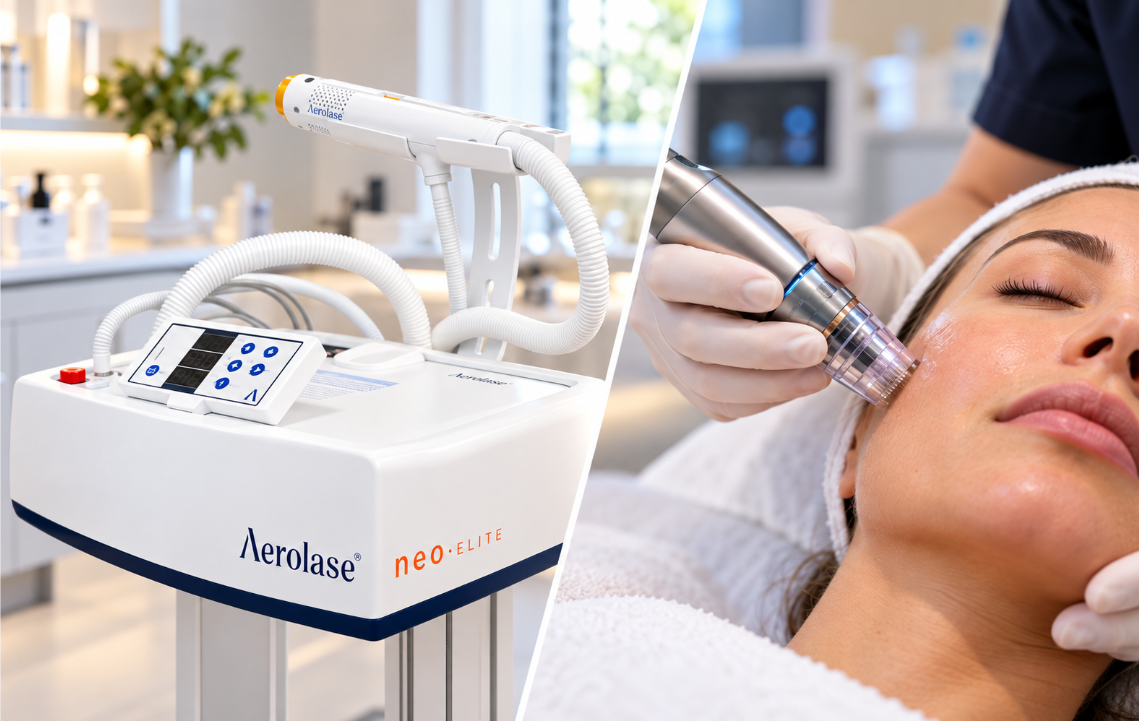
1064 nm Nd vs. RF Microneedling: Which Is Right for Your Patients?
Compare 1064 nm Nd laser and RF microneedling for skin tightening, collagen remodeling, and skin of color. Explore safety, downtime, and benefits.
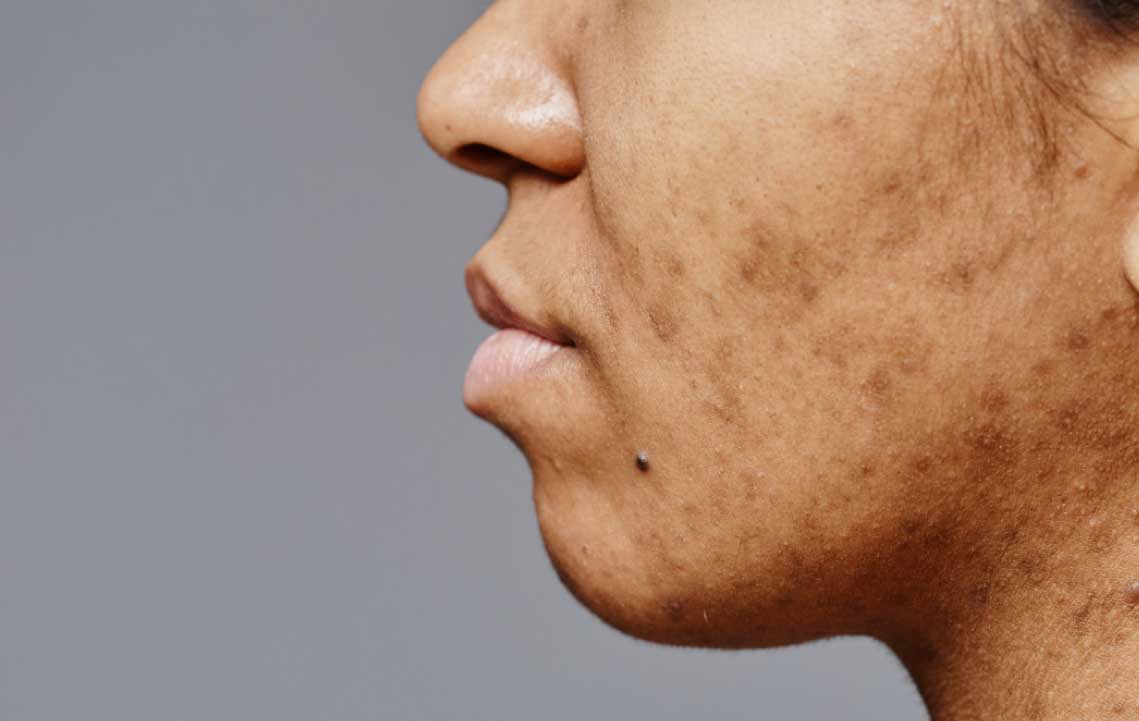
PIH Risk in Laser Treatment for Dark Skin
Post-inflammatory hyperpigmentation is the top risk in treating Fitzpatrick IV–VI skin. See how PIH shapes laser choice and why 1064 nm Nd:YAG is safer.
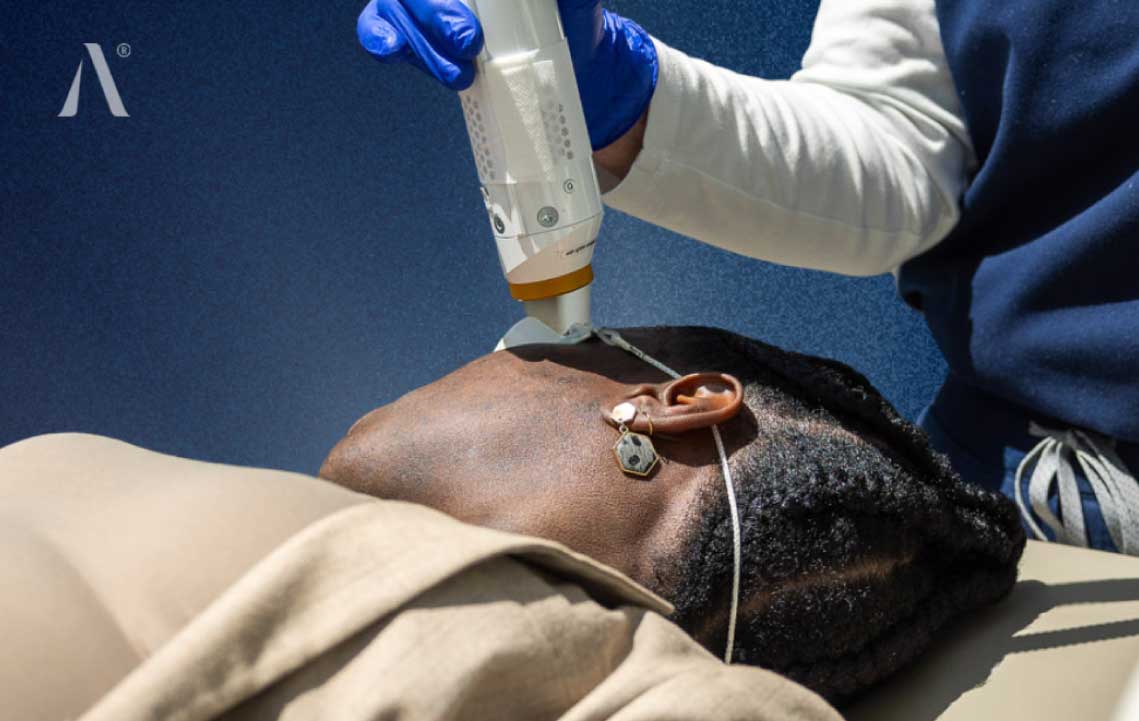
Aesthetic Laser Platform Guide for All Skin Types
How wavelength, pulse duration, and fluence determine laser safety across Fitzpatrick I to VI, plus how to verify a manufacturer's skin type claims.