

Gentle Resurfacing and Deep Ablative Resurfacing
Optical Module: 10mm and 6mm
Full-field ablation treats 100 percent of the surface passed over, removing a controlled layer of tissue so the skin renews evenly in a single session. Gentle Resurfacing covers the field on the 10mm module; Deep Ablative Resurfacing refines it on the 6mm. Both at 2940nm and 300 microseconds, across all Fitzpatrick skin types.
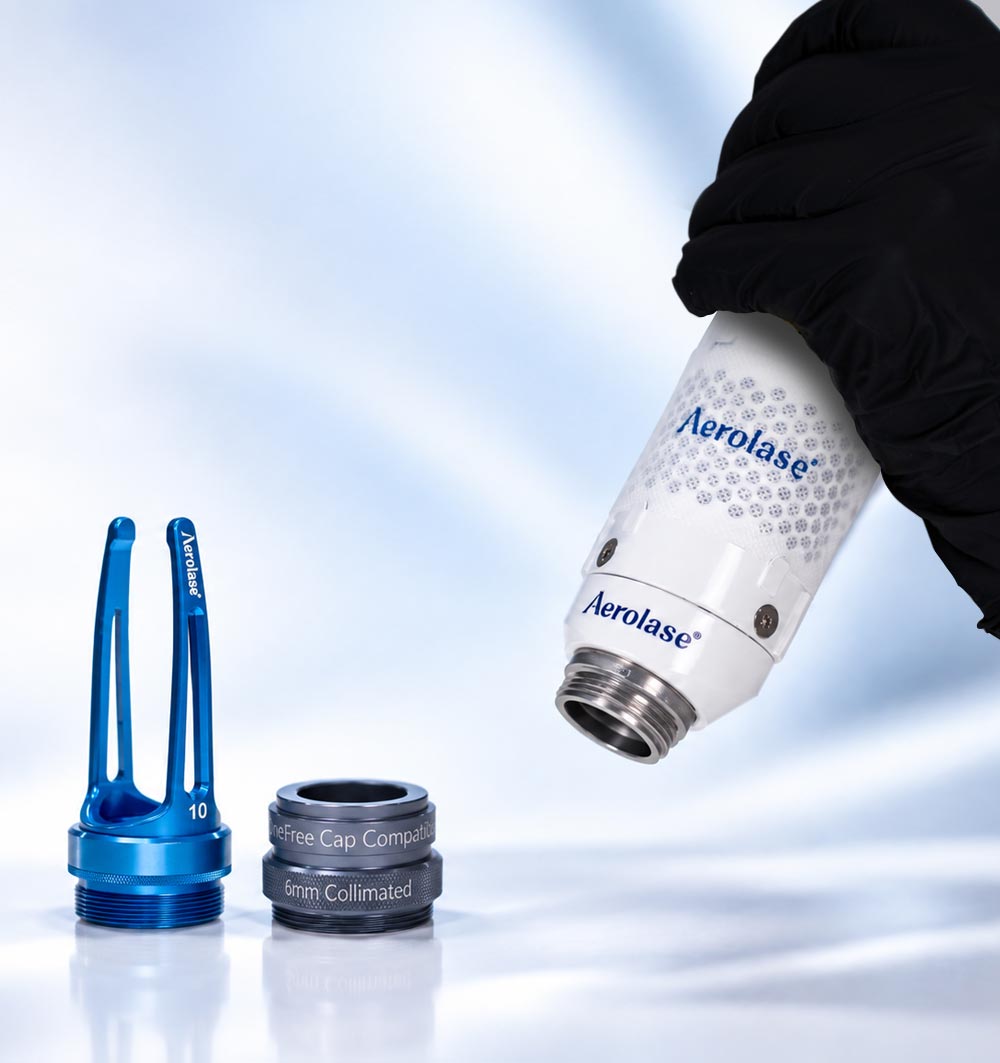
The broad pass and the targeted pass
Both modules deliver the same layer-by-layer full-field ablation at 2940nm and 300 microseconds. What differs is the area each covers and the precision each allows. On Era Elite they can be used in sequence within one treatment.
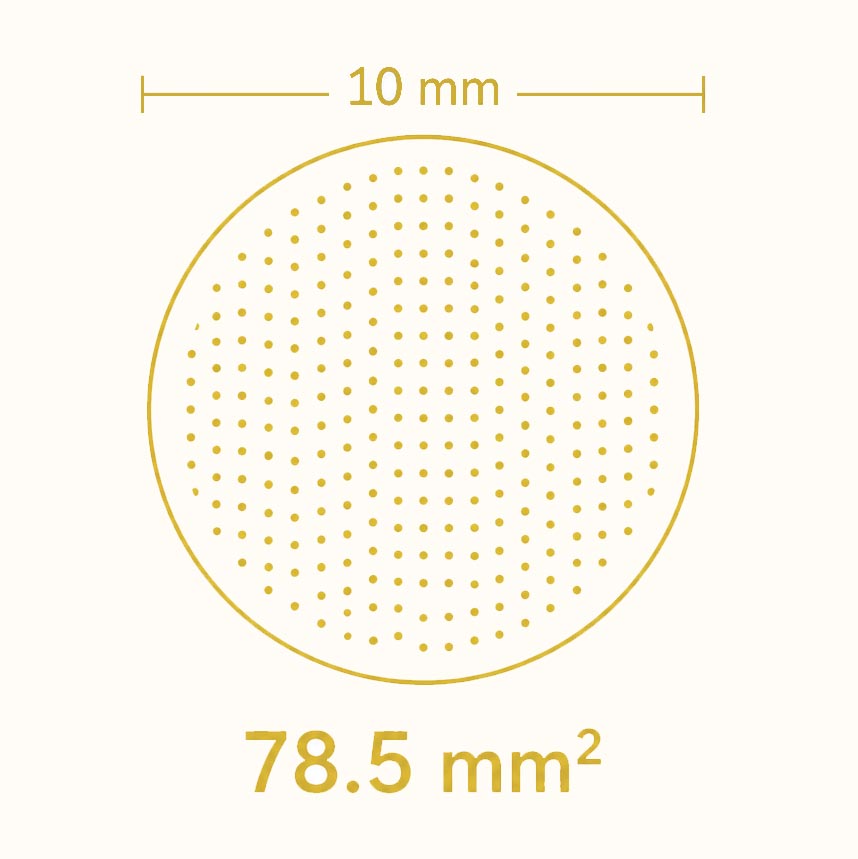
Full-Field 10mm
Gentle Resurfacing
Gentle Resurfacing delivers uniform, edge-to-edge ablation across large treatment areas, making it the workhorse for full-face treatments. Depth is dialed with precision: lighter settings brighten and even tone with minimal recovery, while deeper settings meaningfully correct texture, fine lines, pigmentation, and sun damage. Every full-field protocol starts here.
Clinical Focus:
Superficial laser peels; gentle full-field resurfacing; full-face tone, texture, and pigment correction.
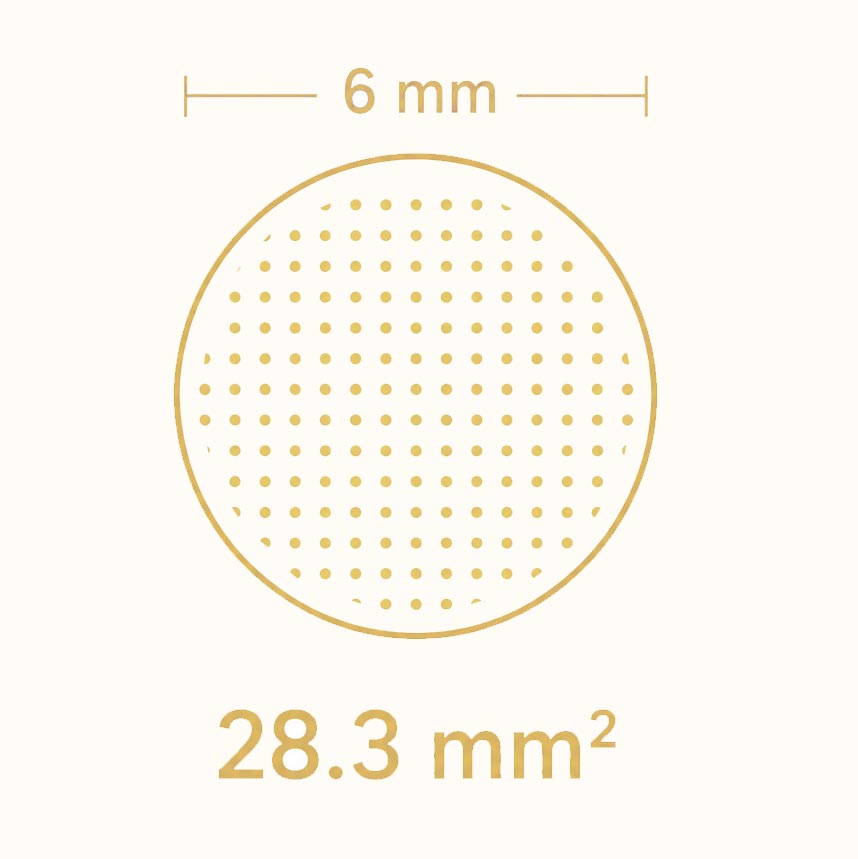
Full-Field 6mm
Deep Ablative Resurfacing
Deep Ablative Resurfacing concentrates the same layer-by-layer ablation into a smaller spot for focal precision: periorbital and perioral lines, discrete scars, individual lesions, and smaller anatomic zones. Used after the Gentle Resurfacing pass on Era Elite, it refines exactly where correction is needed, completing the treatment with per-area detail.
Clinical Focus:
Periorbital and perioral detail; focal scar revision; discrete lesions and localized texture.
Full-Field Ablation vs Fractional Resurfacing
Full-Field Ablation
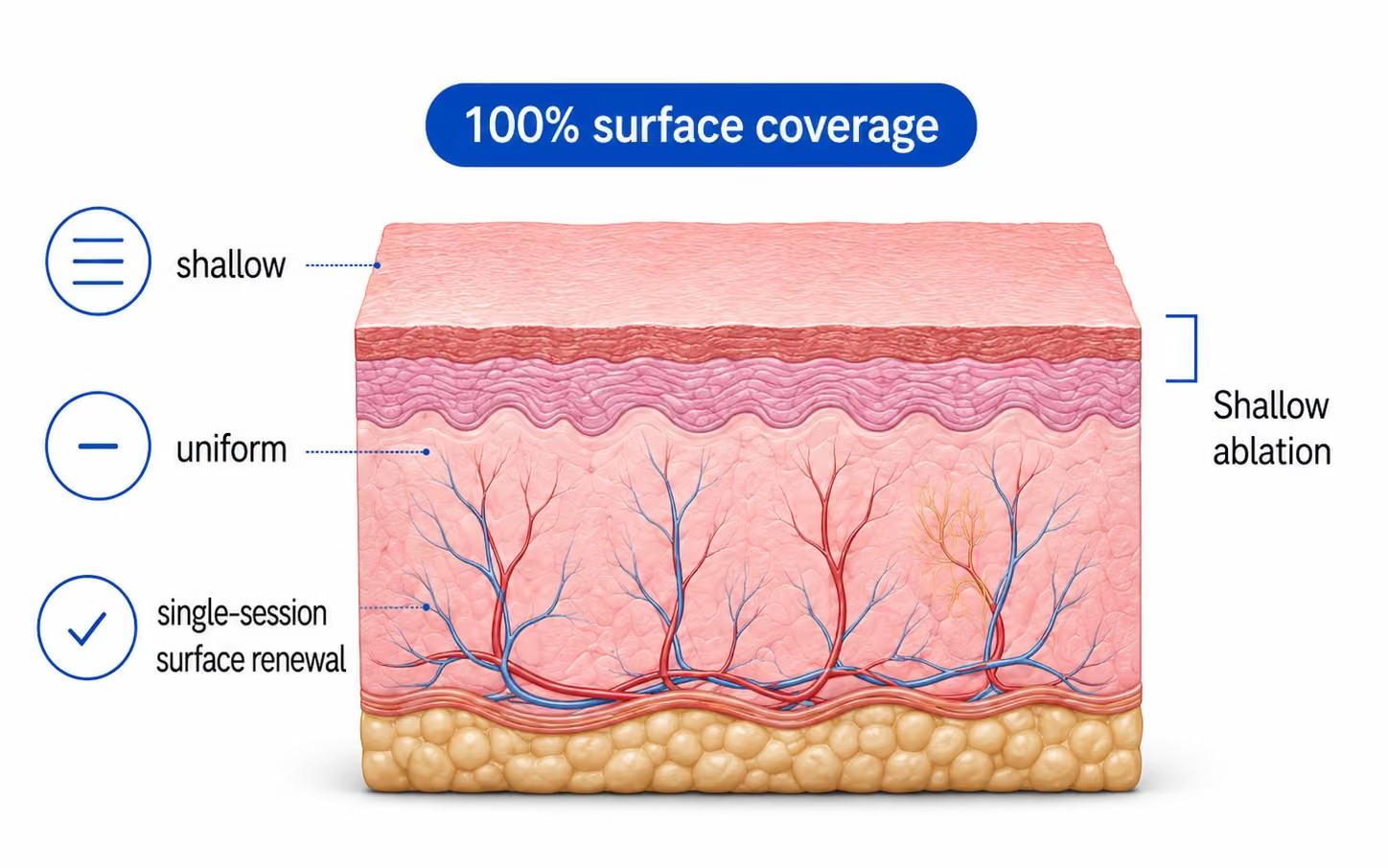
Full-field ablation with the 10mm module removes a shallow, uniform layer across 100% of the treatment area. The surface renews evenly in a single session rather than in stages, which is what makes it the right tool for tone, texture, and surface pigment.
Fractional Resurfacing
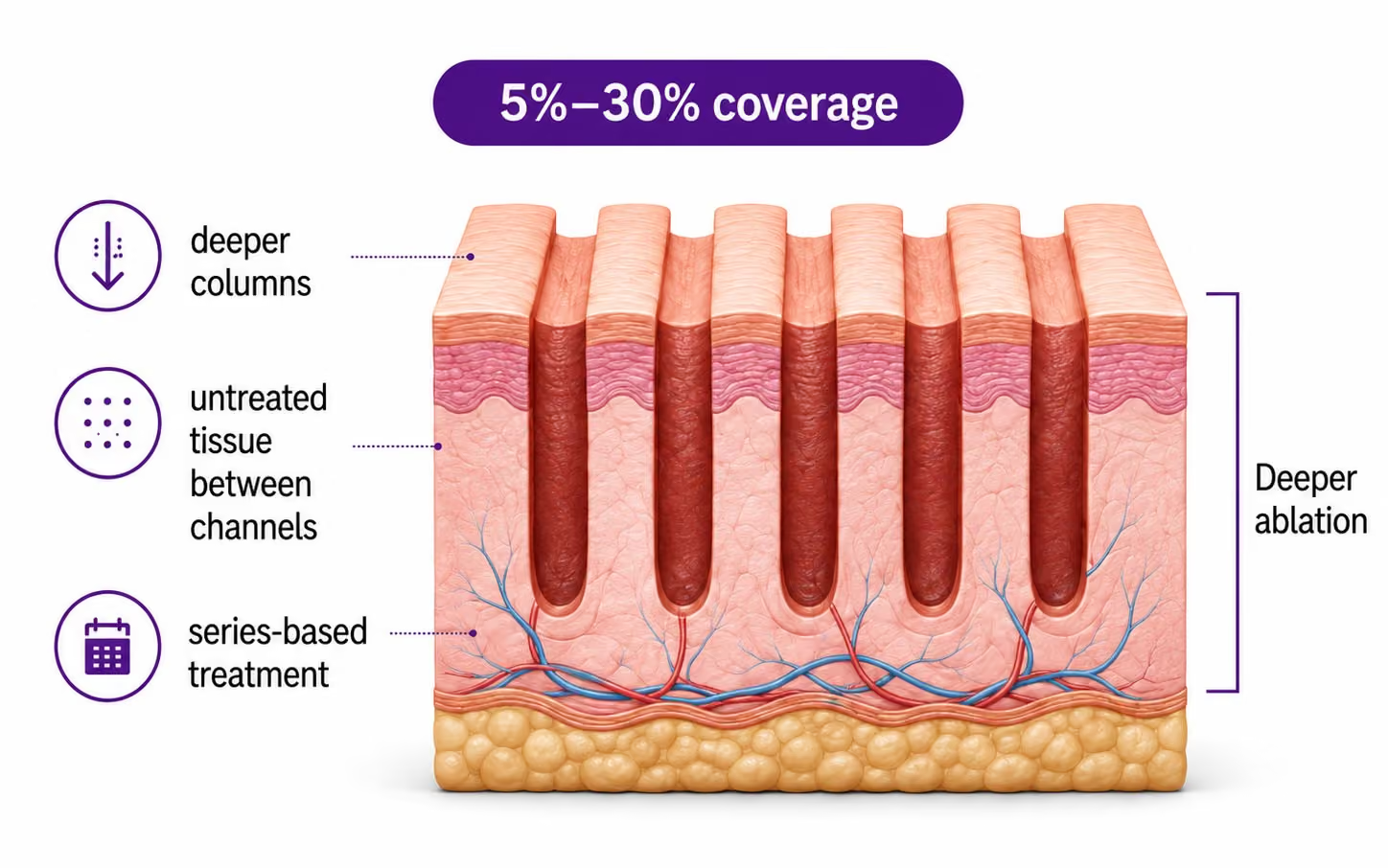
Fractional lasers ablate the skin in narrow columns, typically covering 5% to 30% of the treatment surface depending on density settings. The channels reach deep, but the tissue between them is untouched, which is why fractional protocols run as a series.
What Full-Field Ablation Treats

Fine Lines and Wrinkles
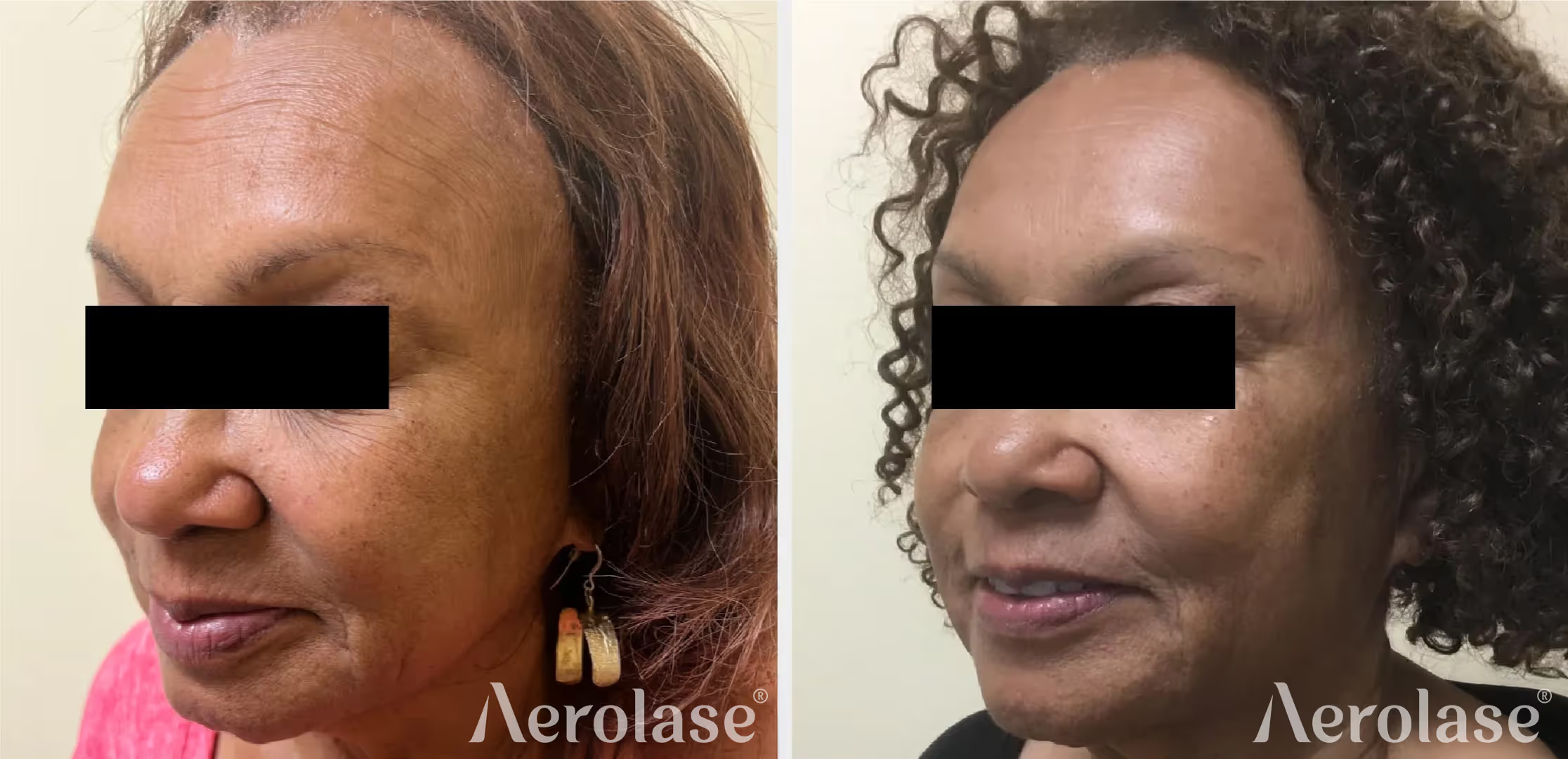
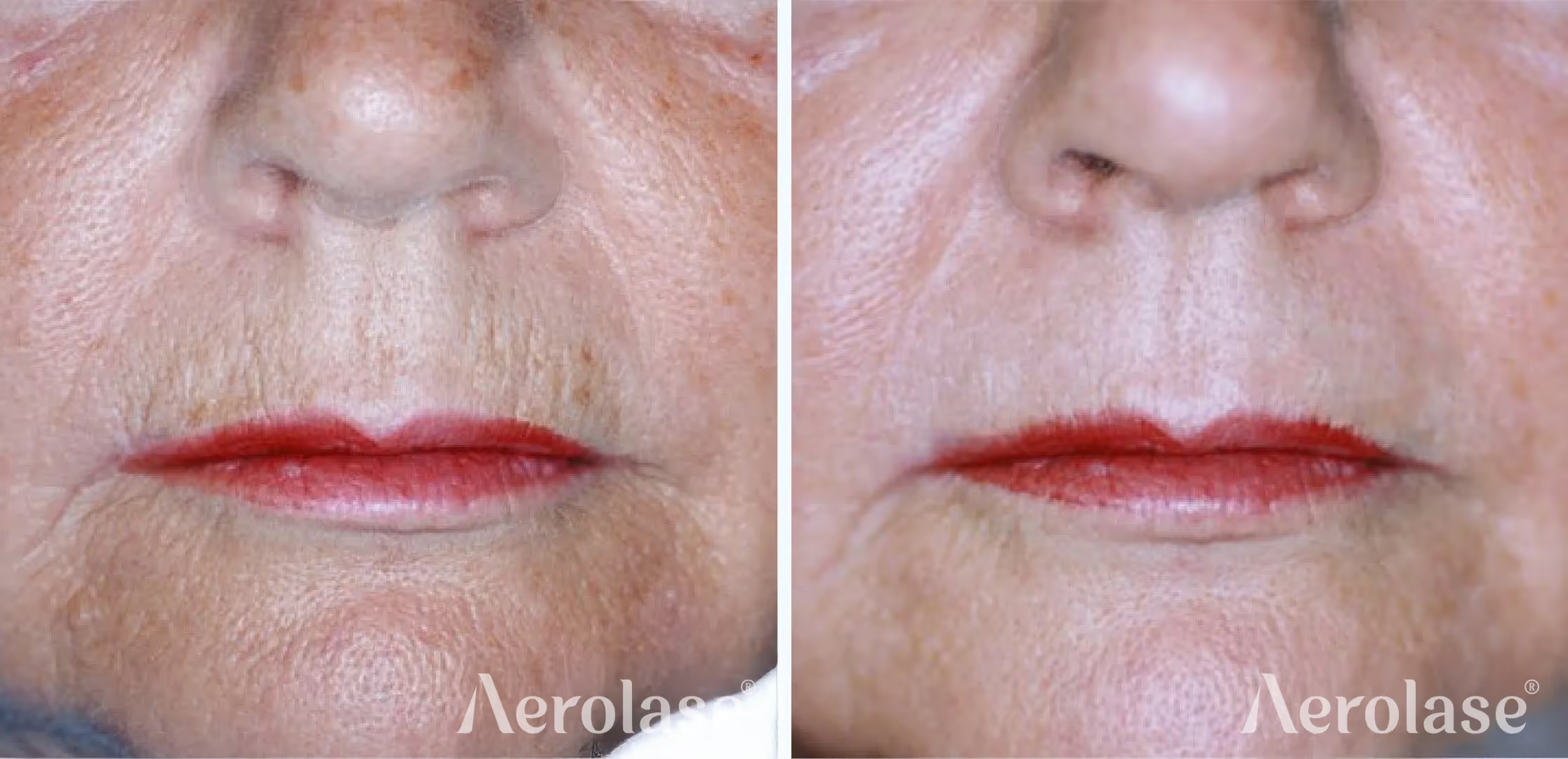
Smooths age-related creases and expression lines. The 10mm handles general facial volume; the 6mm addresses deeper perioral and periorbital lines requiring more depth in a smaller area.
Sun Damage and Surface Pigmentation
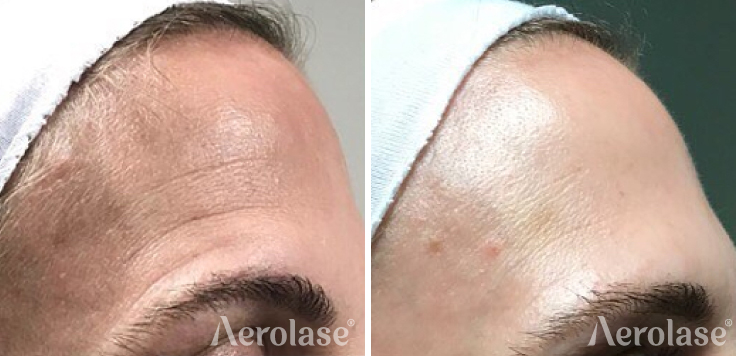
Clears accumulated photodamage, age spots, and solar lentigines by removing the pigmented superficial layer and driving even renewal.
Acne Scars and Scar Revision
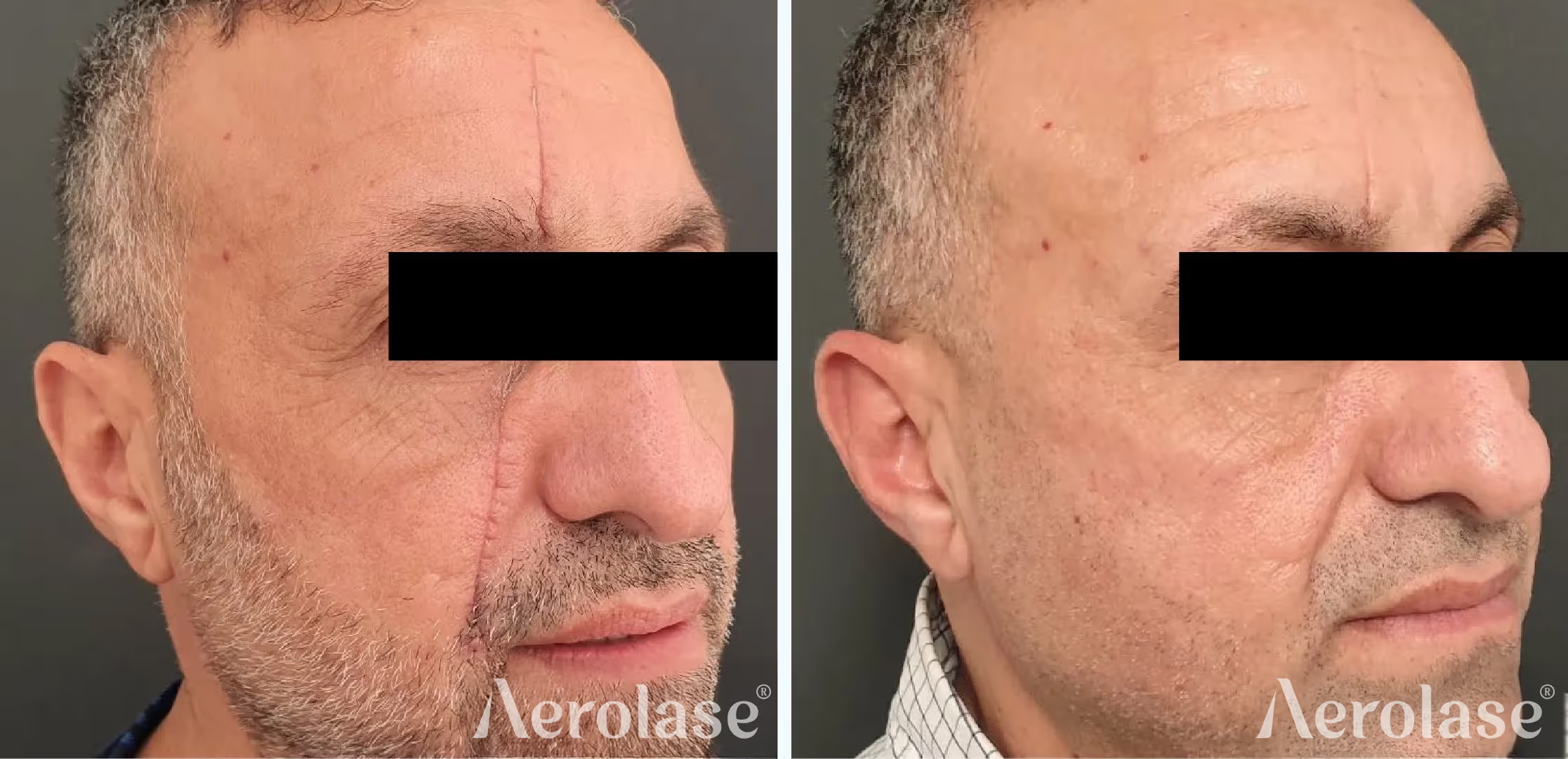
Ice pick, boxcar, and rolling acne scarring, plus surgical and traumatic scar revision. Typically the 6mm, where higher fluence in a focused area is more effective than lighter full-face passes.
Textural Irregularity and Benign Lesions
Evens surface texture, refines pore appearance, and addresses keratoses and other surface lesions.
Results That Inspire Trust

Technical Specifications
Frequently Asked Questions

Full-field ablation is a resurfacing method that removes a uniform layer of tissue across the entire treatment area, in contrast to fractional resurfacing, which ablates narrow columns and leaves the tissue between them untouched. On the Aerolase Era it is delivered as two treatments: Gentle Resurfacing on the 10mm Optical Module and Deep Ablative Resurfacing on the 6mm, both using 2940nm erbium energy at a 300-microsecond pulse and ablating the stratum corneum and superficial epidermis, with reepithelialization within roughly 48 hours.
A superficial laser peel is a full-field ablative resurfacing treatment that removes a controlled layer of the epidermis to clear photodamage and trigger renewal. On the Aerolase Era it is delivered through the 10mm Optical Module at 2940nm with a 300-microsecond pulse, ablating 15 to 30 microns across the full treatment area with reepithelialization within roughly 48 hours.
Both remove a controlled layer of epidermis, but the mechanism and the control differ. A chemical peel works by acid concentration, contact time, and skin condition, so depth varies with the patient. A laser peel ablates by measured energy, so depth is set by fluence and pass count and is reproducible from patient to patient. Er:YAG at 300 microseconds also leaves minimal residual thermal damage and requires no neutralization or frosting endpoint.
Spot size, and therefore fluence. A 10mm spot covers 78.5 mm² while a 6mm spot covers 28.3 mm², so the same pulse energy through the smaller aperture lands at roughly 2.8 times the energy density. The 10mm module delivers Gentle Resurfacing, the lighter, higher-volume treatment. The 6mm module delivers Deep Ablative Resurfacing, used for deeper indications in smaller areas.
Reepithelialization occurs within roughly 48 hours, with most patients returning to normal activities within 3 to 5 days. Because the 300-microsecond pulse leaves minimal residual thermal damage, the prolonged erythema common after CO2 resurfacing is substantially reduced. CO2 resurfacing typically requires 2 to 4 weeks.
The 10mm Optical Module is indicated across Fitzpatrick I through VI. Traditional ablative lasers carry a high risk of post-inflammatory hyperpigmentation in types IV through VI because longer pulses allow heat to linger in melanin-rich tissue. At 300 microseconds, energy is absorbed by water at the surface and ablation completes faster than heat can spread, which reduces that risk.
Embrace the Next Generation of Skin Rejuvenation.
Era goes beyond expectations—it’s a leap forward in skin care technology. Whether you’re a practitioner aiming to expand your practice or a patient looking for transformative yet gentle treatments, Era brings precision, versatility, and confidence to every session.