
PIH Risk in Laser Treatment for Dark Skin
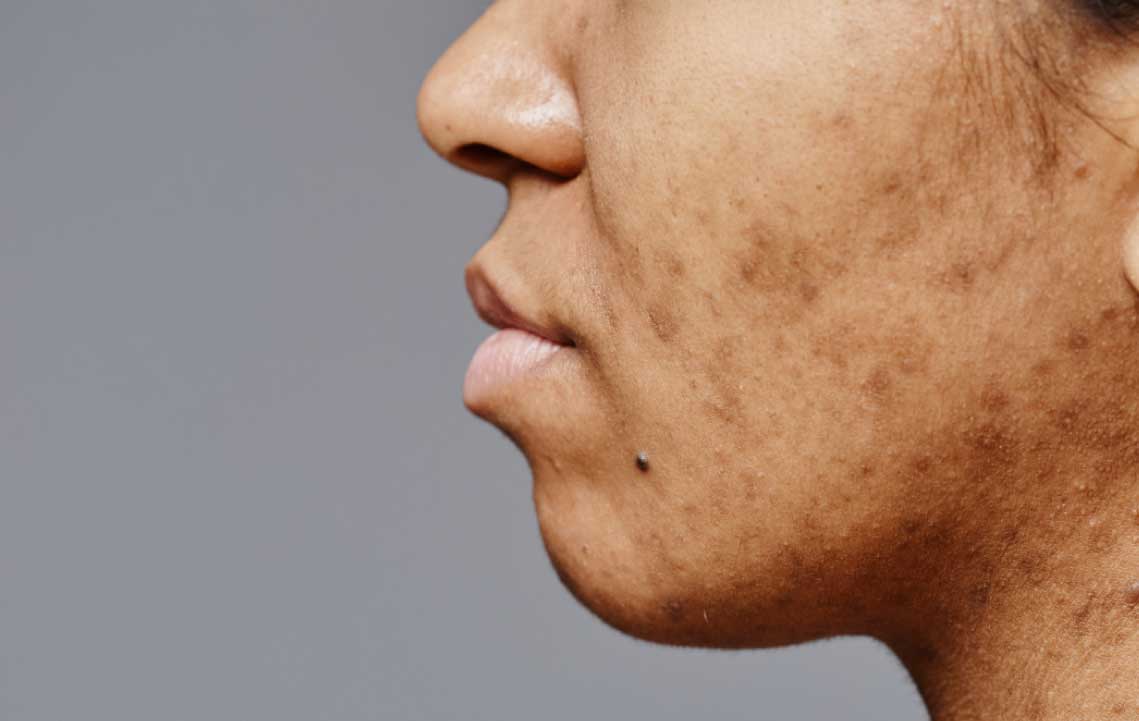
Post-inflammatory hyperpigmentation (PIH) is the most common complication of laser treatment in dark skin, and for practices serving Fitzpatrick IV–VI patients it is the single variable that should drive wavelength and pulse duration selection. Understanding why PIH develops, and which device parameters make it less likely, will help determine whether a pigment program builds a referral base or erodes one.
For practice owners, PIH is not only a clinical problem. A patient who develops a dark patch after a pigment treatment will not return for a series, will not refer, and in communities where word travels quickly may cost the practice far more than the revenue of the original treatment.
Key Takeaways
- PIH is excess melanin produced after inflammation; in Fitzpatrick IV–VI skin, melanocytes respond more strongly to the same insult.
- Epidermal PIH resolves in weeks to months. Dermal PIH, caused by melanin dropping through a damaged basement membrane, can persist for a year or more.
- Melanin absorption falls as wavelength rises, so shorter wavelengths (532 nm, 694 nm, 755 nm, IPL) deposit more energy in a melanin-dense epidermis.
- 1064 nm Nd:YAG is the safest widely used wavelength for dark skin because it passes through epidermal melanin with the least superficial absorption.
- Melasma requires conservative parameters and ongoing maintenance; aggressive treatment causes rebound pigmentation.
- Safer is not risk-free — endpoint discipline and phototype-tiered protocols matter more than the device alone.
What Is Post-Inflammatory Hyperpigmentation?
Post-inflammatory hyperpigmentation is an acquired excess of melanin that develops after skin inflammation or injury. Inflammatory mediators such as prostaglandins, leukotrienes, and cytokines such as IL-1 and endothelin-1, stimulate melanocytes to upregulate tyrosinase activity and overproduce melanin.
Two patterns matter clinically:
- Epidermal PIH appears tan to brown. Melanin stays in the epidermis, and the discoloration typically fades over weeks to months with topical therapy and sun protection.
- Dermal PIH appears gray-brown or blue-gray. It results from pigment incontinence — damage to the dermo-epidermal junction lets melanin drop into the papillary dermis, where melanophages engulf it. This form can persist for many months to years and responds poorly to topical treatment.
That distinction is why aggressive treatment of an already-pigmented patient is so costly. A device that disrupts the basement membrane can convert a manageable epidermal problem into a dermal one that outlasts the patient's relationship with the practice.
Why Is PIH Risk Higher in Fitzpatrick IV–VI Skin?
PIH risk is higher in dark skin because melanocytes are more reactive to inflammation and because epidermal melanin absorbs more of the incoming laser energy. Four factors compound:
Melanocytes are more labile. Melanocytes in Fitzpatrick IV–VI skin respond to a given inflammatory stimulus with greater melanin output than those in lighter skin. The same procedural insult produces a larger pigmentary response.
Melanosomes are larger, more numerous, and more widely dispersed. In darker skin, melanosomes are individually dispersed within keratinocytes rather than clustered in membrane-bound groups, and they are distributed throughout the full thickness of the epidermis rather than concentrated basally. More chromophores sit in the beam path at every depth.
Epidermal melanin competes for the beam. This is the central optical problem. Melanin absorbs across the visible and near-infrared spectrum, but its absorption coefficient falls as wavelength increases. Shorter wavelengths are absorbed by epidermal melanin before the energy reaches the intended dermal target. In Fitzpatrick I–II skin that loss is minor. In Fitzpatrick V–VI skin it becomes the dominant event: the epidermis itself becomes the target, heats diffusely, and blistering, crusting, and the inflammatory cascade that produces PIH follow.
Wound healing differs. Higher baseline fibroblast activity and a more robust inflammatory response mean any injury whether it be thermal, mechanical, or chemical, each carries a higher probability of both pigmentary and textural sequelae.
Why Does Melasma Complicate Laser Treatment in Dark Skin?
Melasma is the hardest pigmentary condition to treat with lasers, and it is disproportionately common in the Fitzpatrick IV–VI population.
Unlike lentigines or acne-related PIH, melasma involves chronically activated melanocytes already primed to overproduce melanin. Histologically, melasma also shows increased vascularity, mast cell infiltration, solar elastosis, and basement membrane disruption with pendulous melanocytes. The barrier that normally keeps melanin out of the dermis is compromised before the first pulse is delivered.
The practical consequences:
- Heat is itself a trigger. Melasma responds to thermal stimulus independent of visible injury. Devices that deliver bulk epidermal heating can worsen melasma without producing a clinical burn.
- Any inflammation risks rebound. Treating melasma too aggressively frequently produces apparent clearance followed by a darker, more diffuse recurrence.
- Melanin dropout is easy. With an already-weakened basement membrane, aggressive treatment readily converts epidermal melasma into a dermal component that will not respond to subsequent topical or laser therapy.
Melasma should be framed to patients as a chronic, managed condition, not a course of treatments with an endpoint. Practices that sell melasma as "clearance" generate dissatisfied patients regardless of device.
How Does PIH Risk Change Laser Selection?
Four parameters determine whether a treatment is likely to trigger post-inflammatory hyperpigmentation in darker skin.
Wavelength and Melanin Absorption
The goal is to reach the intended target while minimizing the fraction of energy absorbed by epidermal melanin. Because melanin absorption declines as wavelength increases, longer wavelengths give a more favorable ratio of target heating to epidermal heating in Fitzpatrick IV–VI skin.
If needed, scroll horizontally to see the whole table.
Penetration depths are approximate and vary with fluence, spot size, and tissue optics.
Pulse Duration and Thermal Relaxation Time
Selective photothermolysis holds that energy should be delivered in a pulse matched to the target's thermal relaxation time. It should be long enough to heat the target, but short enough that heat does not diffuse into surrounding tissue before the pulse ends.
In darker skin, pulse duration determines how melanin-containing structures are injured:
- Nanosecond (Q-switched) pulses create photoacoustic shockwaves. Effective for tattoo particles, but in a melanin-dense epidermis the same mechanism can rupture melanosomes and keratinocytes, producing epidermal disruption and, with repeated low-fluence use, mottled hypopigmentation.
- Millisecond pulses deliver heat slowly enough that it diffuses well beyond the target, producing bulk epidermal heating unless aggressive contact cooling is applied.
- Microsecond-domain pulses occupy a useful middle ground: long enough to avoid photoacoustic epidermal injury, short enough to limit heat diffusion into surrounding tissue.
Skin Contact and Cooling
Contact cooling tips, sapphire windows, and compression handpieces each introduce a mechanical and thermal variable. Pressure, friction, cryogen spray, and coupling gels can all contribute to irritation, and in melanocyte-labile skin, mechanical irritation alone is sufficient to trigger pigmentation. Non-contact delivery removes that variable and eliminates cross-contact concerns between patients.
Fluence and Clinical Endpoints
Endpoint discipline matters more than device choice. In Fitzpatrick IV–VI skin:
- Treat to mild erythema or subtle perilesional change, never to immediate whitening, blistering, or gray discoloration.
- Avoid pulse stacking on pigmented lesions.
- Perform test spots in a concealed area and wait long enough to see delayed PIH — two to four weeks, not two to four days.
- Do not treat recently tanned skin or patients with imminent sun exposure.
Why Is 1064 nm Nd:YAG Safer for Dark Skin?
1064 nm Nd:YAG is considered the safest widely available wavelength for Fitzpatrick IV–VI skin because melanin absorbs it far less than shorter wavelengths, allowing energy to pass through a melanin-dense epidermis with minimal superficial absorption. Three properties converge.
Low melanin absorption. At 1064 nm, melanin's absorption coefficient is substantially lower than at 532, 694, or 755 nm. The epidermis is far less likely to become an unintended target. This is why 1064nm is often described as skin-tone agnostic: the parameter that varies most between phototypes matters least at this wavelength.
Deep penetration. The same optical properties that reduce epidermal absorption allow 1064nm to reach dermal vasculature, perifollicular structures, sebaceous glands, and dermal pigment without the high surface fluences shorter wavelengths need to deliver comparable energy at depth.
A gentler heating profile. Because less energy is deposited superficially, thermal injury is distributed rather than concentrated at the dermo-epidermal junction. Less junctional damage means less pigment incontinence, which means less dermal PIH.
Pulse duration then determines how that advantage is expressed. Aerolase's Neo Elite at 650 microseconds is designed to deliver energy faster than heat can diffuse into surrounding tissue, achieving target heating without the bulk epidermal warming of millisecond systems or the photoacoustic disruption of Q-switched systems. Operating without contact cooling, tips, or gels also removes the mechanical irritation variable. This combination is what makes a single platform viable across all six phototypes.
Where Does 1064 nm Still Carry Risk?
Safer is not risk-free, and practice owners should set expectations accordingly.
- Hypopigmentation from over-treatment. Repeated low-fluence Q-switched 1064 nm toning protocols have been associated with punctate or mottled hypopigmentation, particularly at high session counts. More sessions is not a safer strategy.
- Melasma recurrence. No wavelength addresses underlying melanocyte activation. Without topical maintenance, photoprotection, and attention to hormonal and heat triggers, melasma returns.
- Operator dependence. Fluence, spot overlap, passes, and endpoint recognition drive outcomes. A conservative device used aggressively will still cause PIH.
- PIH can still occur. Any inflammation can trigger it. Pre-treatment pigment suppression, sun avoidance, and a defined rescue protocol should be standard for Fitzpatrick IV–VI patients regardless of platform.
What Should Practices Put in Place?
For owners evaluating devices or standardizing protocols across providers:
- Document phototype at consultation, not at treatment. Fitzpatrick assessment should be a recorded intake field alongside a photographic baseline in consistent lighting.
- Build tiered protocols by phototype rather than leaving fluence to provider discretion. Standardized starting parameters for IV, V, and VI reduce variance across a multi-provider team.
- Establish a PIH rescue protocol in advance — topical tyrosinase inhibitors, strict photoprotection, a defined follow-up cadence — so a complication is a managed clinical course rather than an improvised response.
- Train consultation staff on language. Patients with melasma should hear "management" and "maintenance," not "removal."
- Evaluate devices on the width of their safe treatment window, not peak performance in ideal skin. In a diverse market, a platform that treats all six phototypes on one system is operationally simpler and commercially more durable than a fleet assembled around lighter-skin indications.
Every laser decision in Fitzpatrick IV–VI skin returns to one question: how much of this energy will the epidermis absorb before it reaches the target? Wavelength answers most of that question. Pulse duration answers the rest. Endpoint discipline covers what the device cannot. Get all three right and a pigment program becomes a durable revenue line serving the patients most underserved by conventional platforms. Get them wrong and the practice spends its margin managing complications it created.
Aerolase built the Neo Elite around that constraint — 1064 nm energy delivered in a 650-microsecond pulse, with no contact cooling, tips, or gels. One platform that can treat across Fitzpatrick I–VI without switching devices or rebuilding protocols by phototype. Explore the Neo Elite platform to review specifications, indications, and clinical results, or request a consultation to discuss protocols for your patient population.

Post-inflammatory hyperpigmentation is darkening of the skin that develops after laser-induced inflammation or injury. Inflammatory mediators stimulate melanocytes to overproduce melanin, producing tan, brown, or gray-brown discoloration that can persist for months.
Melanocytes in Fitzpatrick IV–VI skin are more reactive to inflammation, and the epidermis contains more melanin distributed through its full thickness. More energy is absorbed superficially, and a larger pigmentary response follows any given insult.
1064 nm Nd:YAG is generally considered the safest widely available wavelength, because melanin absorbs it far less than 532 nm, 694 nm, or 755 nm. Energy passes through a melanin-dense epidermis with minimal superficial absorption.
Yes, but melasma should be treated as a chronic condition requiring conservative parameters, low-inflammation delivery, and ongoing topical and photoprotective maintenance. Aggressive treatment frequently causes rebound pigmentation or dermal melanin deposition.
Epidermal PIH typically fades over several weeks to months with topical therapy and sun protection. Dermal PIH, caused by melanin dropping into the dermis, can persist for a year or longer and responds poorly to topical treatment.
Broadband IPL carries elevated PIH risk in Fitzpatrick IV–VI skin because its spectrum includes short wavelengths that epidermal melanin absorbs strongly. Cutoff filters reduce but do not eliminate the risk.
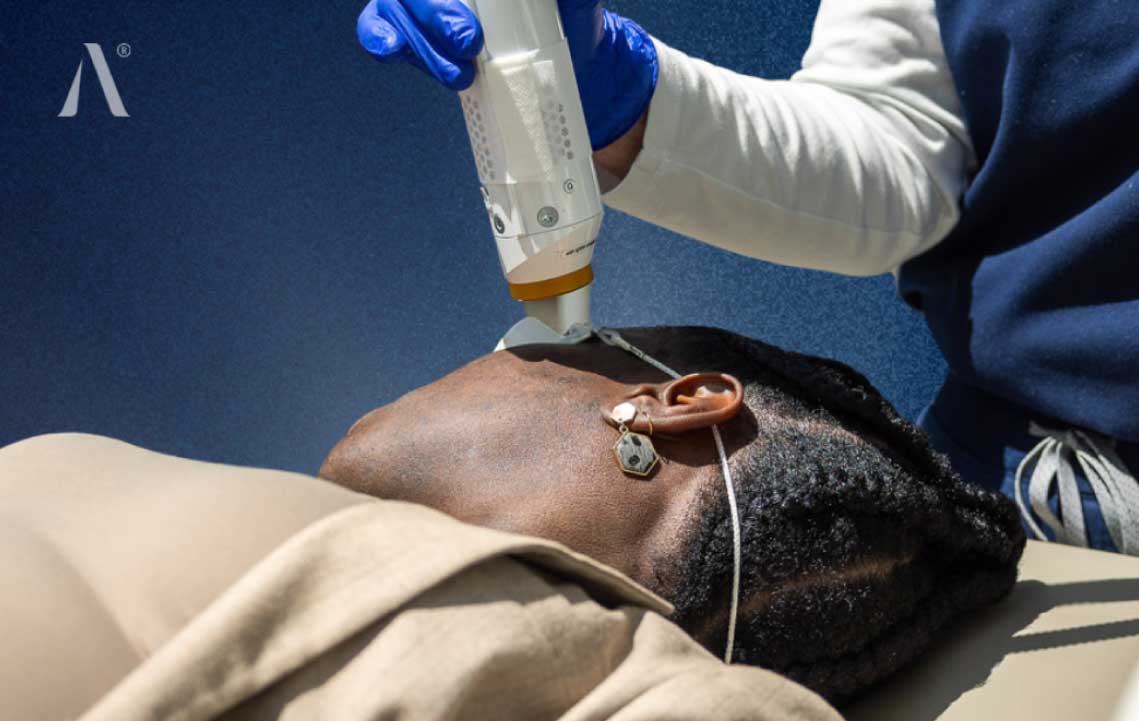
Aesthetic Laser Platform Guide for All Skin Types
How wavelength, pulse duration, and fluence determine laser safety across Fitzpatrick I to VI, plus how to verify a manufacturer's skin type claims.
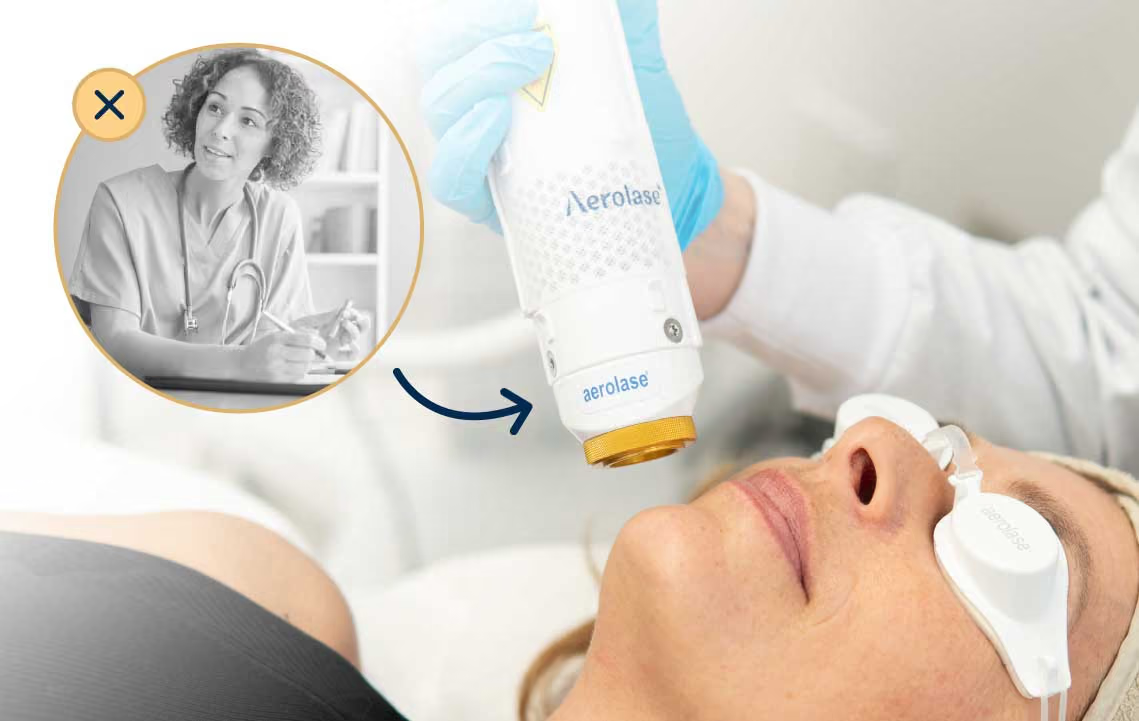
Antibiotic-Sparing Acne Treatment: Why Energy-Based Devices Are Gaining Ground in 2026
Antibiotic resistance is reshaping acne protocols. See why dermatologists are adding energy-based devices like Aerolase's 1064nm Nd:YAG as an antibiotic-sparing option safe across all skin types.
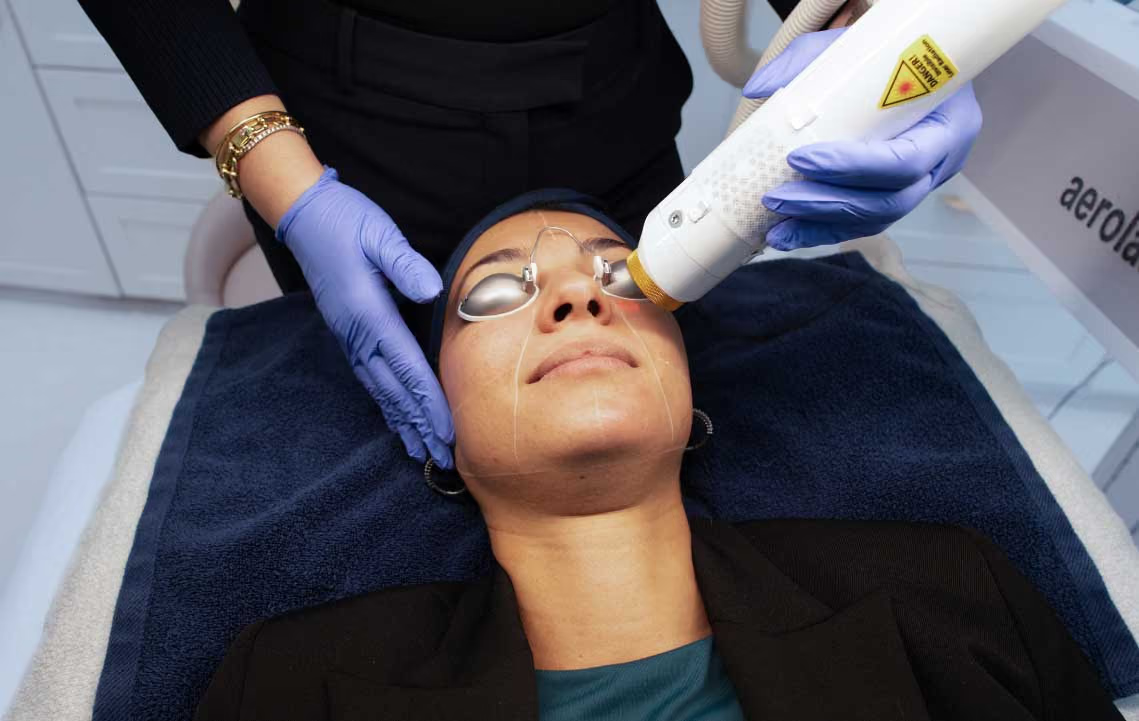
Rethinking the Acne Cascade: From Trigger to Clearance
Acne vulgaris isn't just a bacterial problem. Explore the full inflammatory cascade behind acne — and why targeting it early produces more durable clinical outcomes.