
Antibiotic-Sparing Acne Treatment: Why Energy-Based Devices Are Gaining Ground in 2026
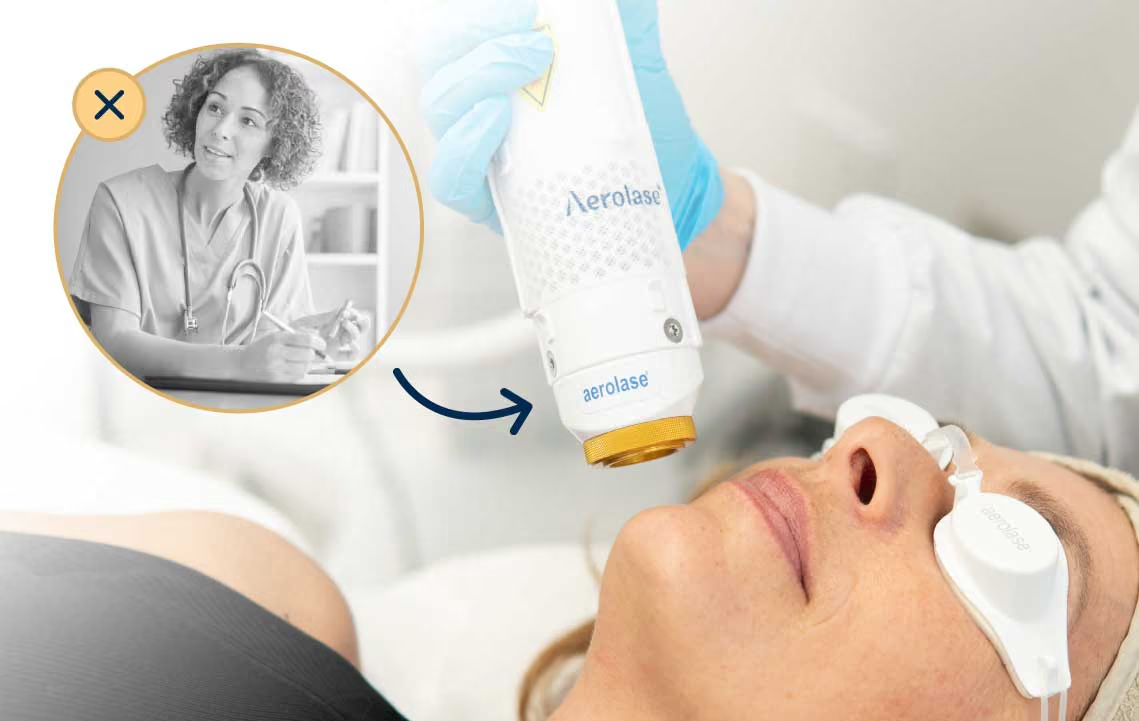
Acne antibiotic stewardship isn't a niche concern anymore, it's a headline topic. At the 2026 AAD Annual Meeting, Michael H. Gold, MD used his "Acne Boot Camp" session to make the case that lasers and light-based devices deserve a bigger role in the acne treatment conversation, versus traditionally being on the back-burner. In a separate AAD 2026 session, Lawrence Eichenfield, MD reinforced that triple-combination topicals are proving effective enough to meaningfully cut reliance on oral antibiotics. Put those two conversations together, and a clear trend emerges: 2026 is the year energy-based devices move from "adjunct, sometimes" to a first-line consideration in antibiotic-sparing acne protocols.
The Antibiotic Resistance Problem Acne Guidelines Can't Ignore
The clinical case for reducing antibiotic use in acne isn't new, but it continues to get stronger. Rising resistance among Cutibacterium acnes isolates, including to tetracycline-class antibiotics, has compounded broader concerns about oral antibiotic use disrupting normal flora and driving resistance in other organisms. Research has also flagged possible links between long-term tetracycline-class antibiotic use and inflammatory bowel disease, and even cancer risk, adding weight to the push for stewardship.
Guideline bodies have taken notice. Current AAD guidance recommends pairing systemic antibiotics with benzoyl peroxide and other topical therapy to reduce resistance risk, and treats topical antibiotics as unsuitable for standalone monotherapy. Systemic antibiotic courses are capped at roughly three to four months under most international guidelines, yet, as multiple reviews have pointed out, real-world prescribing routinely runs longer than that. This is precisely the gap non-antibiotic modalities, including energy-based devices, are positioned to fill.
Where Energy-Based Devices Enter the Conversation
Dr. Gold's AAD 2026 remarks broke laser and light-based acne devices into two functional categories: those that target the porphyrin produced by C. acnes bacteria to selectively disrupt it, and newer devices operating around 1726nm that pursue direct sebaceous gland destruction to reduce sebum output at its source.
Both approaches represent real, guideline-relevant tools for antibiotic-sparing acne care. But they aren't interchangeable in every patient, and the differences matter most when skin of color is involved.
The Skin-Type Consideration Practices Can't Skip
Devices built around selective, high-fluence thermal destruction, whether targeting bacterial porphyrin or the sebaceous gland directly, depend on precise energy absorption to work as intended. In patients with higher Fitzpatrick skin types, competing melanin absorption in the epidermis raises the bar for a device to deliver that energy selectively without also affecting the surrounding skin, which is exactly the mechanism behind post-inflammatory hyperpigmentation (PIH) after aggressive laser or light treatments. For a condition like acne, where PIH is often already part of the presenting complaint, a treatment that risks creating more of it is a real clinical tradeoff, not a footnote.
This is where wavelength and pulse duration choice becomes a first-line consideration in device selection, not a secondary one.
Where 650-Microsecond 1064nm Nd:YAG Fits
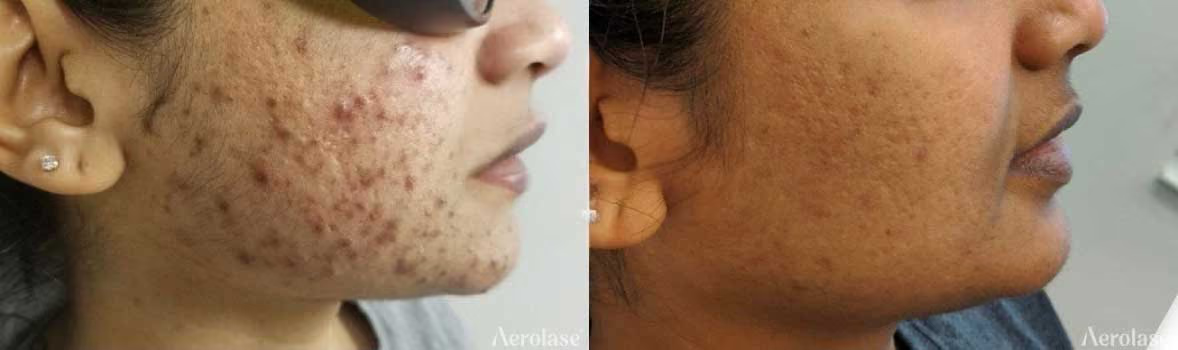
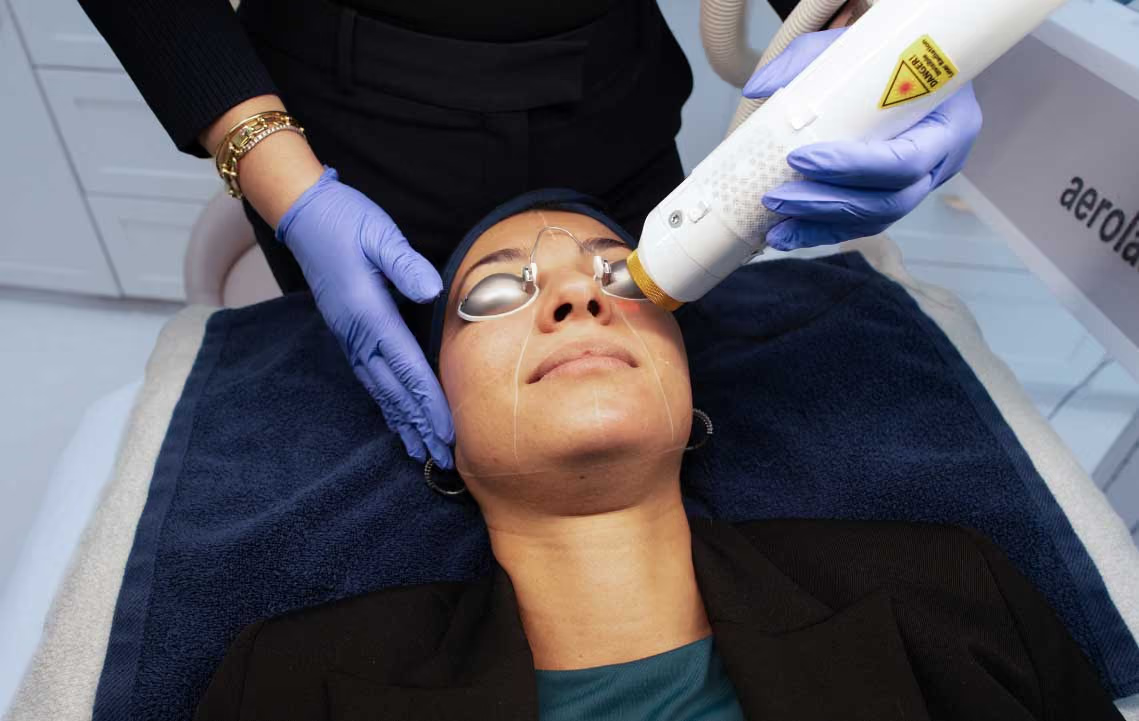
Aerolase's Neo Elite delivers a 650-microsecond pulse duration at 1064nm, a combination built around a different premise: sub-purpuric, photothermal heating that reduces C. acnes bacterial load and calms inflammatory acne lesions without relying on the aggressive selective thermolysis that raises PIH risk in darker skin. The longer 1064nm wavelength inherently reduces competing epidermal melanin absorption, which is the mechanical reason this approach has been used safely and effectively across Fitzpatrick I to VI, the same inclusivity principle that underlies its use in Aerolase's PIH and pigmentation-focused protocols.
For clinicians navigating the antibiotic stewardship conversation, that translates into a practical value proposition:
- No antibiotic exposure: nothing to add to resistance data, no GI or systemic side effect profile to manage
- No downtime: sessions fit into a normal patient visit and don't disrupt a patient's week
- Multi-skin-type safety: the same device applies across the full Fitzpatrick range
- Fits inside existing guideline-recommended combination therapy: used alongside topical retinoids or benzoyl peroxide rather than replacing them, in line with AAD's multimodal treatment guidance
The Takeaway for Practices
The AAD 2026 conversation didn't suggest energy-based devices should replace topical or systemic therapy. It suggested they deserve more real estate in the acne treatment algorithm than they've historically gotten, especially as antibiotic stewardship pressure builds. For practices offering Neo Elite or Era Elite, this is a well-timed opening to reposition laser-based acne treatment with both patients and referring providers: not a cosmetic add-on, but a data-backed, antibiotic-free adjunct that works across every skin type walking through the door.
Sources
American Academy of Dermatology 2024/2026 acne management guidelines; "Approaches to limit systemic antibiotic use in acne," PMC; HCPLive interviews with Michael H. Gold, MD and Lawrence Eichenfield, MD, AAD Annual Meeting 2026.
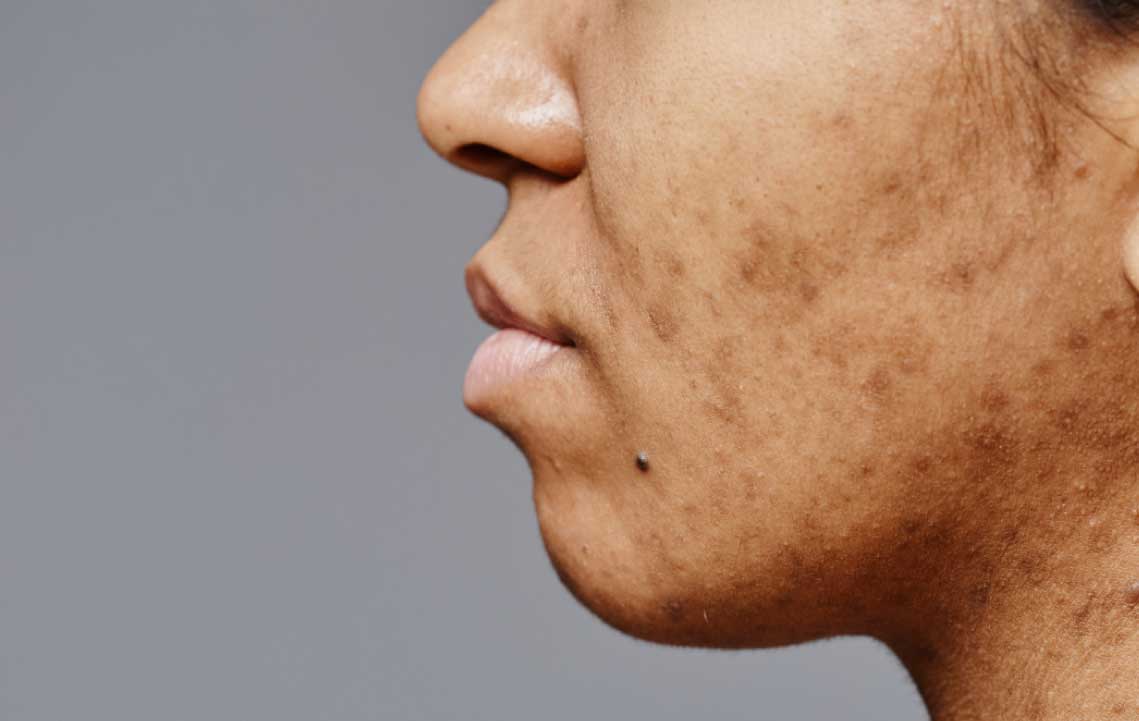
PIH Risk in Laser Treatment for Dark Skin
Post-inflammatory hyperpigmentation is the top risk in treating Fitzpatrick IV–VI skin. See how PIH shapes laser choice and why 1064 nm Nd:YAG is safer.
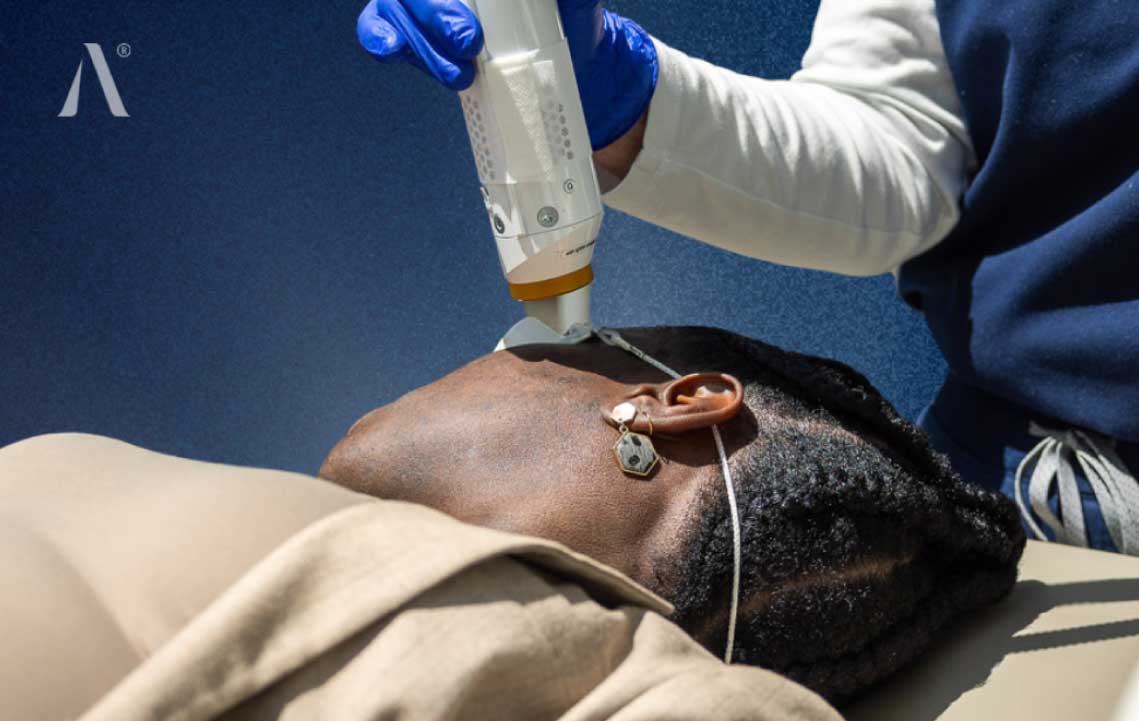
Aesthetic Laser Platform Guide for All Skin Types
How wavelength, pulse duration, and fluence determine laser safety across Fitzpatrick I to VI, plus how to verify a manufacturer's skin type claims.
Rethinking the Acne Cascade: From Trigger to Clearance
Acne vulgaris isn't just a bacterial problem. Explore the full inflammatory cascade behind acne — and why targeting it early produces more durable clinical outcomes.