
1064 nm Nd vs. RF Microneedling: Which Is Right for Your Patients?
.png)
1064nm Nd vs. RF Microneedling: What's the Difference?
Both 1064nm Nd laser and radiofrequency (RF) microneedling stimulate collagen production and support skin rejuvenation, but they approach treatment differently.
The 1064nm Nd:YAG laser delivers energy through noncontact, intact skin, while RF microneedling uses fine needles to deliver thermal energy into the dermis. So what’s better? The choice depends on the patient's skin type, treatment goals, tolerance for downtime, and individual risk factors.
Skin tightening and rejuvenation have become central to modern aesthetic practices, and providers have more options than ever to help patients achieve healthier-looking skin.
Two technologies frequently considered are the 1064nm Nd;YAG laser and RF microneedling. Both can support collagen remodeling, improve skin texture, and address visible signs of aging. Yet their mechanisms of action, patient experiences, and clinical considerations are quite different.
We’ll explore how the technologies compare, where each offers advantages, and what practitioners should consider when selecting a treatment approach.
How Does Each Technology Work?
1064nm Nd:YAG Laser: Non-Invasive Collagen Remodeling
The 1064nm Nd:YAG laser uses near-infrared light to deliver energy into the skin, reaching deeper dermal structures while interacting relatively less with epidermal melanin than shorter wavelengths.
This characteristic is particularly valuable when treating patients with darker skin tones, where managing epidermal heat and minimizing unnecessary pigment interaction are important considerations.
Within the skin, controlled thermal energy can stimulate a remodeling response, supporting collagen production and improvements in skin firmness, texture, and overall appearance over time.
See how the Aerolase Neo increased collagen types 1 and 3 by 85%
The 1064nm wavelength also has applications in vascular and pigment-related concerns, making it a versatile option for practices looking to address multiple indications.
Pulse duration is another important consideration. Aerolase's Neo Elite delivers 1064nm energy in a 650-microsecond pulse, designed to effectively deliver energy while limiting unwanted heat diffusion into surrounding tissue.
This approach supports non-invasive treatment across Fitzpatrick skin types I–VI, with protocols that do not require topical anesthesia, contact cooling, or significant downtime.
RF Microneedling: Mechanical and Thermal Stimulation
RF microneedling combines two established approaches to skin rejuvenation: controlled microneedle penetration and radiofrequency energy.
During treatment, fine needles penetrate the skin, creating microscopic injuries while delivering RF energy into the tissue. This combination initiates a wound-healing response and stimulates collagen remodeling.
RF microneedling is commonly used to address concerns such as:
- Acne scars and uneven skin texture
- Fine lines and wrinkles
- Skin laxity
- Enlarged pores
- Overall skin rejuvenation
Unlike lasers, RF energy does not rely on melanin absorption to produce its effect. This makes the technology a consideration across a broad range of skin tones.
However, RF microneedling still creates controlled tissue injury, and the resulting inflammation and heat can contribute to post-inflammatory hyperpigmentation (PIH) in susceptible patients.
Needle design, treatment depth, energy settings, and patient selection all influence the safety and effectiveness of treatment.
1064nm Nd:YAG vs. RF Microneedling: A Side-by-Side Comparison
While both technologies support collagen remodeling and skin rejuvenation, the patient experience and treatment approach can differ significantly.
If needed, scroll horizontally to see the whole table.
Treatment experiences, recovery times, indications, and outcomes vary by device, protocol, and individual patient. Providers should follow device-specific labeling and clinical guidance.
Treating Darker Skin Tones: Why the Approach Matters
For clinicians treating Fitzpatrick skin types IV–VI, achieving visible improvement while minimizing unwanted pigment changes is the most important part of treatment planning.
Post-inflammatory hyperpigmentation (PIH) develops when inflammation or injury stimulates excess melanin production, resulting in areas of discoloration that may persist long after the original trigger has resolved.
Both 1064nm Nd:YAG and RF microneedling can be used in skin of color. The distinction lies in how each technology interacts with the skin and the precautions required to reduce treatment-related risks.
The Advantages of 1064nm Nd:YAG for Skin of Color
The 1064nm wavelength offers several characteristics that make it well suited for treating a broad range of skin tones.
Reduced interaction with epidermal melanin.
Compared with shorter laser wavelengths, 1064nm light is absorbed less strongly by melanin, allowing energy to reach deeper targets with relatively less absorption in the epidermis.
Controlled thermal delivery.
Aerolase's 650-microsecond pulse duration is designed to limit unwanted heat diffusion while delivering energy to the intended treatment targets.
Non-invasive treatment.
Because the skin surface remains intact, treatment avoids the mechanical punctures associated with microneedling.
Versatility across indications.
In addition to rejuvenation, appropriately selected 1064nm protocols may address vascular concerns, acne, and certain pigmentation-related conditions.
These characteristics make 650-microsecond 1064nm Nd:YAG an appealing option for practitioners seeking comfortable, non-invasive treatments across Fitzpatrick skin types I–VI.
RF Microneedling Considerations for Darker Skin
RF microneedling also has an established role in treating skin of color, especially when the primary concerns include atrophic acne scarring and textural irregularities.
However, careful technique is important because the procedure combines mechanical injury with thermal energy.
Several factors deserve attention:
- Inflammatory response: Needle penetration and tissue heating can trigger pigment changes in susceptible patients.
- Needle configuration: Insulated and non-insulated needles distribute energy differently, affecting the pattern of tissue heating.
- Treatment intensity: Needle depth, energy level, number of passes, and treatment density all influence tissue response.
- Aftercare: Appropriate barrier care and sun protection help support recovery and reduce preventable complications.
With thoughtful patient selection and conservative, device-appropriate protocols, RF microneedling can be an effective option for patients with darker skin tones.
The goal is not necessarily to favor one technology for every patient, but to understand which approach best balances the desired clinical outcome with the patient's individual risk profile.
What About Recently Tanned Skin?
Recent sun exposure adds another consideration to treatment planning.
A tan reflects increased melanin activity, which may influence how skin responds to laser energy and inflammation.
Although 1064nm Nd:YAG interacts relatively less with melanin than shorter wavelengths, recently tanned skin still requires careful assessment and may warrant postponing treatment.
Similarly, patients undergoing RF microneedling should be evaluated for recent sun exposure, skin irritation, and increased susceptibility to pigment changes.
For both technologies, best practices include:
- Reviewing recent sun exposure and planned travel.
- Assessing the patient's current skin tone against their baseline.
- Considering a test spot when clinically appropriate.
- Selecting conservative, device-specific treatment parameters.
- Reinforcing appropriate sun protection and post-treatment care.
The key takeaway: treating a diverse patient population requires flexibility, not a one-size-fits-all approach.
When Should Practitioners Choose 1064nm Nd:YAG or RF Microneedling?
Choosing between 1064nm Nd:YAG and RF microneedling begins with understanding the patient's primary concern and desired treatment experience.
If needed, scroll horizontally to see the whole table.
For some practices, 1064nm Nd:YAG serves as a versatile foundation for ongoing skin rejuvenation, while RF microneedling offers an additional option for patients seeking more targeted textural improvement.
Can 1064nm Nd:YAG and RF Microneedling Be Combined?
Yes. In appropriately selected patients, these technologies may complement one another as part of a broader rejuvenation plan.
For example, a practitioner might use 1064nm Nd:YAG to address vascular or inflammatory concerns while incorporating RF microneedling in a separate session to target certain textural irregularities.
Treatment sequencing should account for individual skin response, healing time, pigment risk, and the specific devices being used.
Rather than viewing these technologies as mutually exclusive, practitioners can evaluate how each fits into a personalized treatment strategy.
Beyond Clinical Outcomes: What Each Technology Means for Your Practice
Selecting an energy-based device involves more than comparing treatment mechanisms. For growing aesthetic practices, patient experience, operational efficiency, and treatment versatility are important considerations.
1. Expanding Treatment Opportunities
A platform that accommodates Fitzpatrick skin types I–VI allows practices to serve a broader range of patients.
Aerolase's 650-microsecond 1064nm technology offers a non-invasive treatment approach that can be incorporated into diverse rejuvenation protocols, supporting practices that want to expand access to aesthetic treatments.
2. Considering Cost Per Treatment
RF microneedling systems typically require disposable needle cartridges or treatment tips, creating a recurring consumable expense.
Aerolase's Neo Elite does not require single-use treatment tips, which can help reduce variable costs per procedure.
Over time, this difference may become an important consideration when evaluating treatment profitability and overall return on investment.
3. Supporting an Efficient Patient Experience
Patient convenience increasingly influences aesthetic treatment decisions.
With protocols that typically require no topical anesthesia or contact cooling and involve minimal downtime, 650-microsecond 1064nm treatments can fit more easily into patients' schedules.
For practices, streamlined treatment preparation may also support efficient appointment workflows.
4. Offering More Than One Indication
Treatment versatility can influence how effectively a practice uses its equipment.
Beyond collagen remodeling and rejuvenation, 1064nm Nd:YAG technology can support a range of applications, including acne, vascular concerns, pigmentation-related conditions, and hair reduction, depending on the device's cleared indications.
This gives practitioners opportunities to address different patient needs within a single platform.
5. Building Long-Term Patient Relationships
Results matter, but so does the experience patients have throughout their treatment journey.
Comfortable treatments with limited downtime may encourage patients to maintain consistent treatment plans and return for ongoing skin health and rejuvenation services.
For practices focused on long-term patient relationships, that consistency can be valuable.

Both technologies can support skin tightening through collagen remodeling. The best choice depends on skin type, severity of laxity, treatment goals, and acceptable downtime. The 1064 nm Nd offers a non-invasive option, while RF microneedling delivers thermal energy through needles for targeted remodeling.
The 1064 nm wavelength is commonly used in skin of color because it has relatively low absorption by epidermal melanin compared with shorter wavelengths. Aerolase's 650-microsecond technology supports treatment across Fitzpatrick I–VI with appropriate patient selection and protocols. As with any energy-based treatment, risks are not eliminated.
Yes. RF microneedling may cause post-inflammatory hyperpigmentation, particularly in patients prone to pigmentary changes. However, published clinical reviews have also demonstrated its successful use in darker skin tones. Proper device selection, treatment parameters, and aftercare remain important.
Non-invasive 1064 nm Nd treatments, including Aerolase's 650-microsecond technology, typically involve minimal downtime. RF microneedling commonly produces temporary redness and swelling, with recovery varying according to treatment intensity and patient response.
RF microneedling is an established option for improving certain types of atrophic acne scars through mechanical and thermal remodeling. The 1064 nm Nd may also contribute to improvements in skin texture and collagen remodeling, although the best approach depends on scar type, severity, and device-specific evidence.
Yes. Both technologies may be suitable for darker skin tones when used with appropriate protocols and clinical judgment. Patient history, pigment susceptibility, treatment settings, and post-treatment care all influence safety.
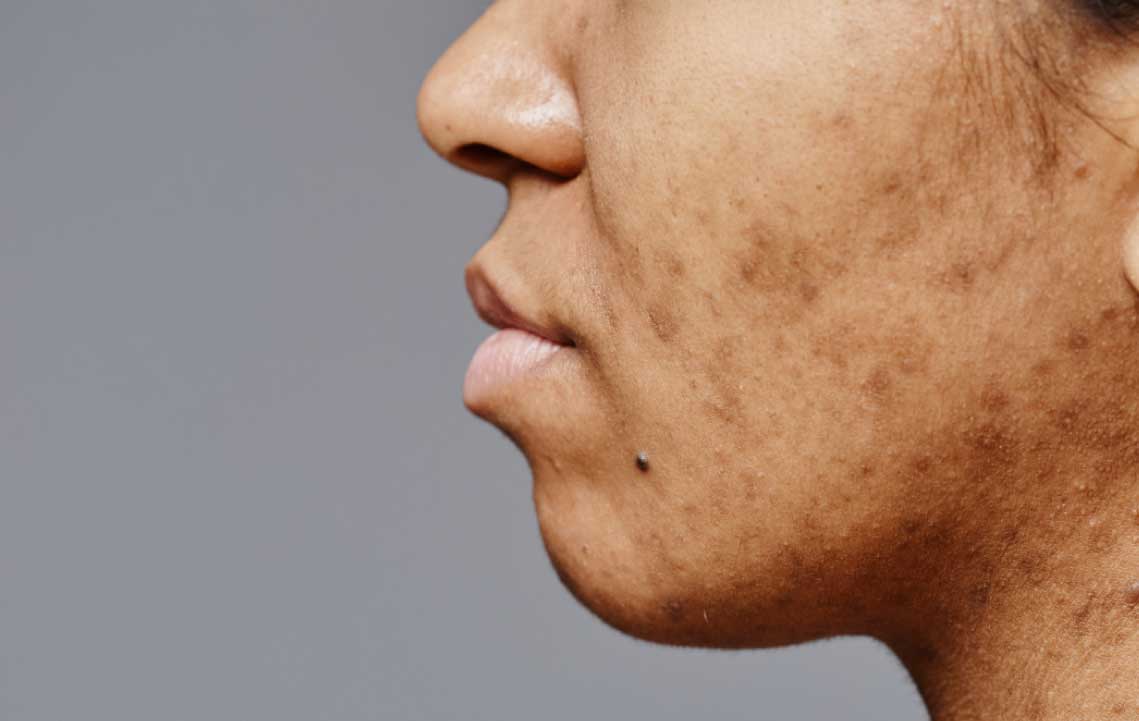
PIH Risk in Laser Treatment for Dark Skin
Post-inflammatory hyperpigmentation is the top risk in treating Fitzpatrick IV–VI skin. See how PIH shapes laser choice and why 1064 nm Nd:YAG is safer.
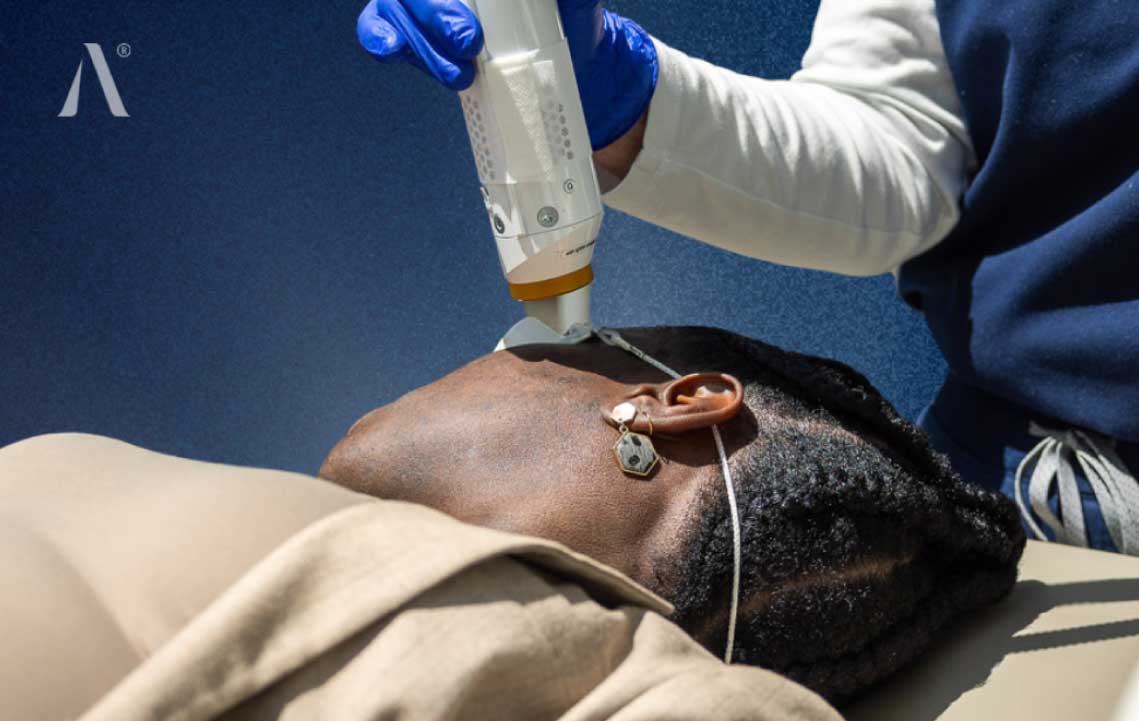
Aesthetic Laser Platform Guide for All Skin Types
How wavelength, pulse duration, and fluence determine laser safety across Fitzpatrick I to VI, plus how to verify a manufacturer's skin type claims.
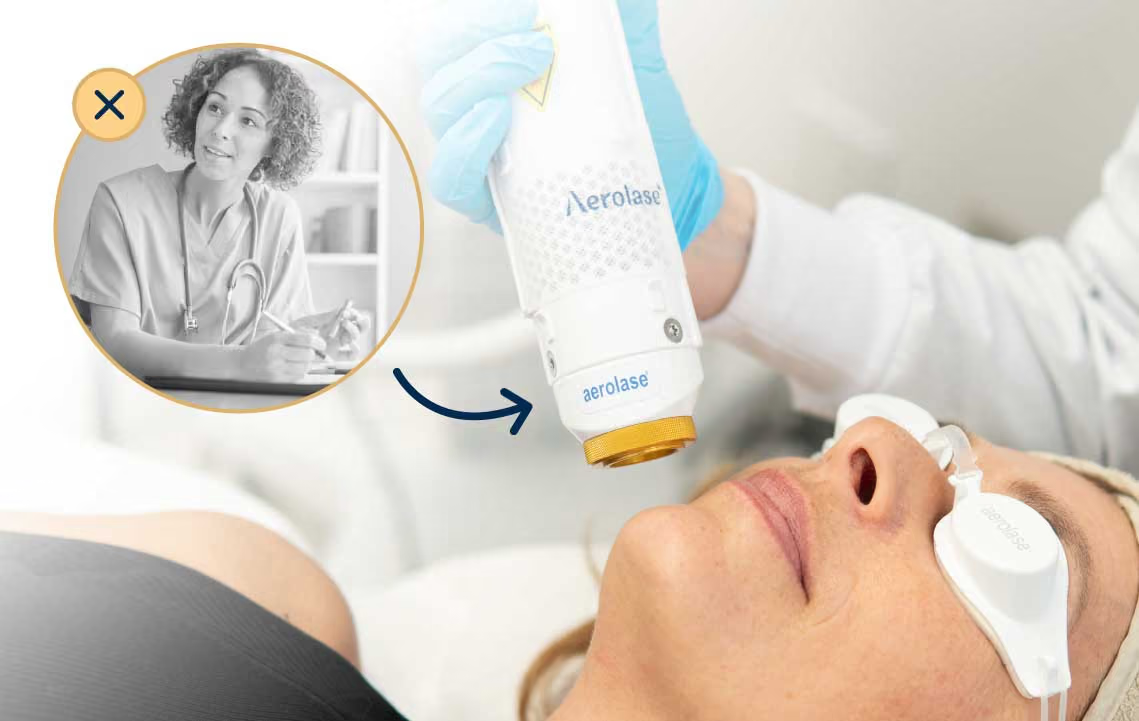
Antibiotic-Sparing Acne Treatment: Why Energy-Based Devices Are Gaining Ground in 2026
Antibiotic resistance is reshaping acne protocols. See why dermatologists are adding energy-based devices like Aerolase's 1064nm Nd:YAG as an antibiotic-sparing option safe across all skin types.