
The End of 'Too Dark for Laser': How 300-Microsecond Technology Finally Makes Ablative Resurfacing Safe for All Skin Types
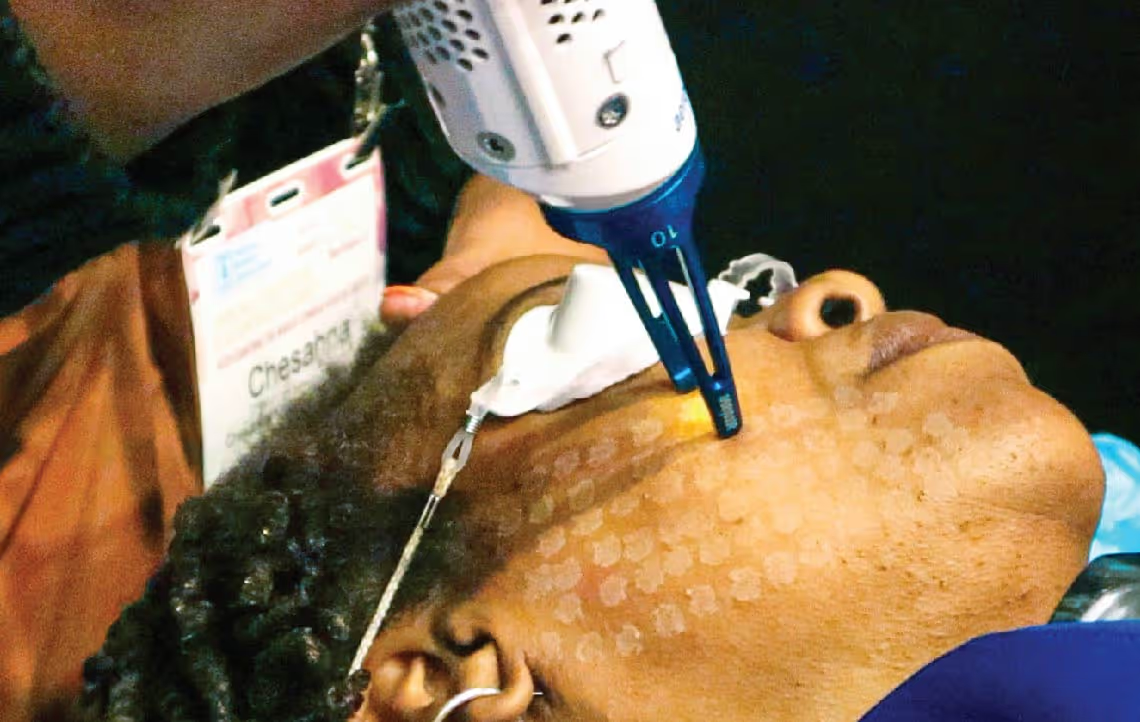
Breaking Barriers in Ablative Resurfacing
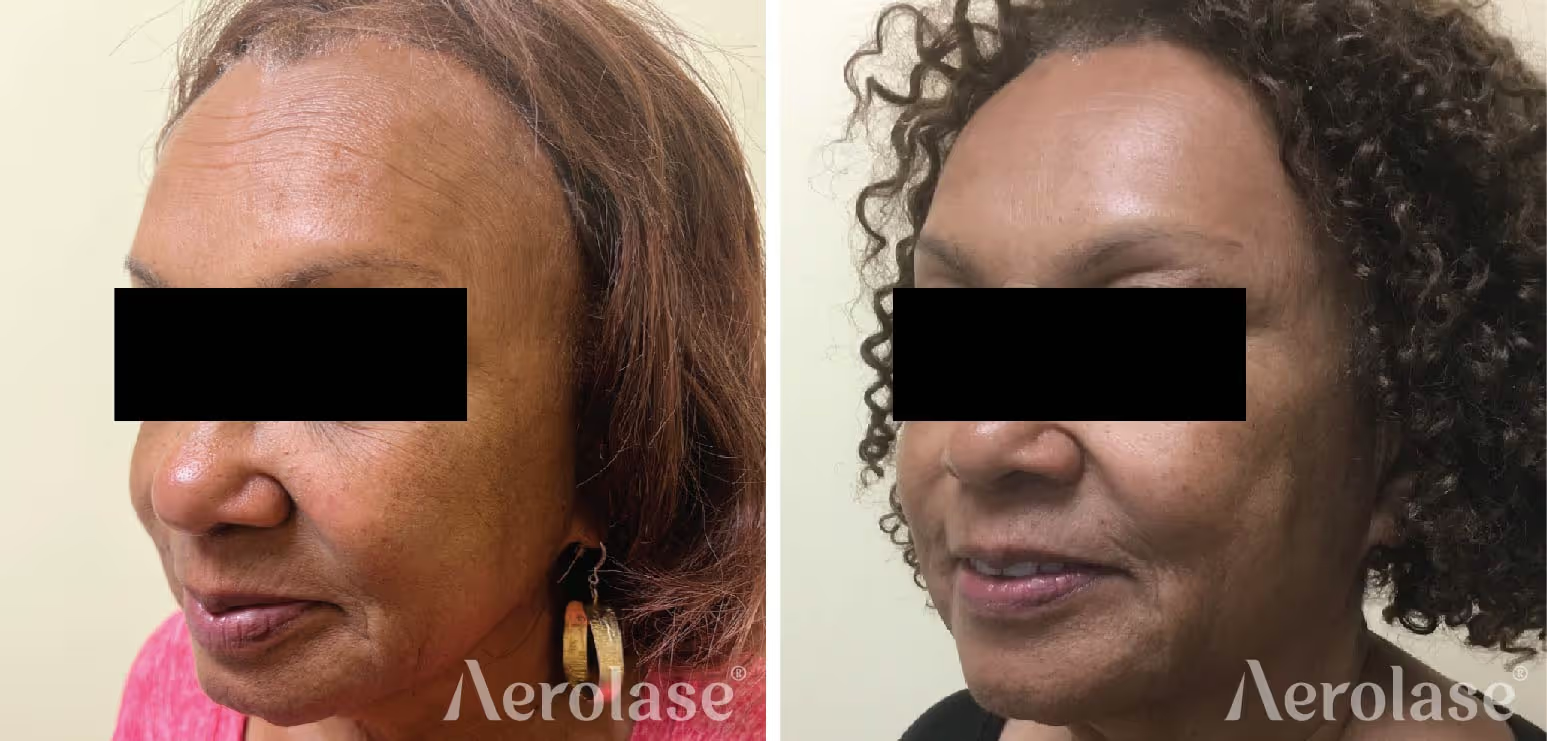
For decades, ablative laser resurfacing has delivered remarkable results for photodamage, acne scars, wrinkles, and skin laxity; however this was only applicable for patients with lighter skin. The uncomfortable reality is traditional ablative lasers like CO2 and conventional Er:YAG systems carry serious risks for darker skin tones. Patients with Fitzpatrick skin types IV, V, and VI—nearly half the world's population have faced unacceptable rates of post-inflammatory hyperpigmentation, prolonged healing, and scarring.
The science of ablative resurfacing has fundamentally changed. With the introduction of the Aerolase Era Elite, featuring a revolutionary 300-microsecond pulse duration and 2940nm Er:YAG wavelength, your medical practice can now offer safe, effective ablative treatments to patients across all Fitzpatrick skin types—without the thermal damage and complications that have plagued traditional systems.
The Historical Challenge: Why Traditional Ablative Lasers Failed Darker Skin
The CO2 Laser Problem
CO2 lasers (10,600nm wavelength) have been the workhorse of ablative resurfacing since the 1980s. While highly effective for fair skin, these systems operate with millisecond pulse durations (typically 0.5-1.0 milliseconds), creating significant residual thermal damage in surrounding tissue1. This prolonged heat exposure triggers several complications in melanin-rich skin:
- Post-inflammatory hyperpigmentation (PIH): Studies show PIH rates of 25-65% in Fitzpatrick IV-VI patients treated with traditional CO2 lasers2
- Extended downtime: Healing times of 2-4 weeks with visible crusting and erythema that can persist for months
- Risk of scarring: Thermal injury to dermal structures increases hypertrophic scarring risk in darker skin tones3
Conventional Er:YAG Limitations
Traditional Er:YAG systems (2940nm wavelength) offered improvements over CO2, with shorter pulse durations of 250-350 microseconds per pass. However, most clinical Er:YAG devices still operate in millisecond territory when factoring in multiple stacked pulses, creating similar thermal risks4. Additionally, conventional Er:YAG lasers require multiple passes to achieve comparable ablation depth to CO2, compounding thermal accumulation.
Dr. Cheryl Burgess Discusses Ablative Risk and How the Physics Have Changed the Treatment Equation
Watch Dr. Cheryl Burgess' webinar, here.
The Science Behind the Solution: 300-Microsecond Pulse Duration
Understanding Thermal Relaxation Time
The key to safe ablative resurfacing across all skin types lies in understanding thermal relaxation time (TRT)—the time required for tissue to cool by 50% after laser exposure. For water in tissue (the primary chromophore for ablative lasers), the TRT is approximately 1 millisecond5.
The Aerolase Era Elite operates at 300 microseconds—significantly shorter than tissue TRT. This means:
- Precise ablation with minimal heat diffusion to surrounding tissue
- Reduced melanocyte injury, dramatically lowering PIH risk
- Faster healing with less inflammation and downtime
- Collagen preservation in the treatment zone, promoting better remodeling
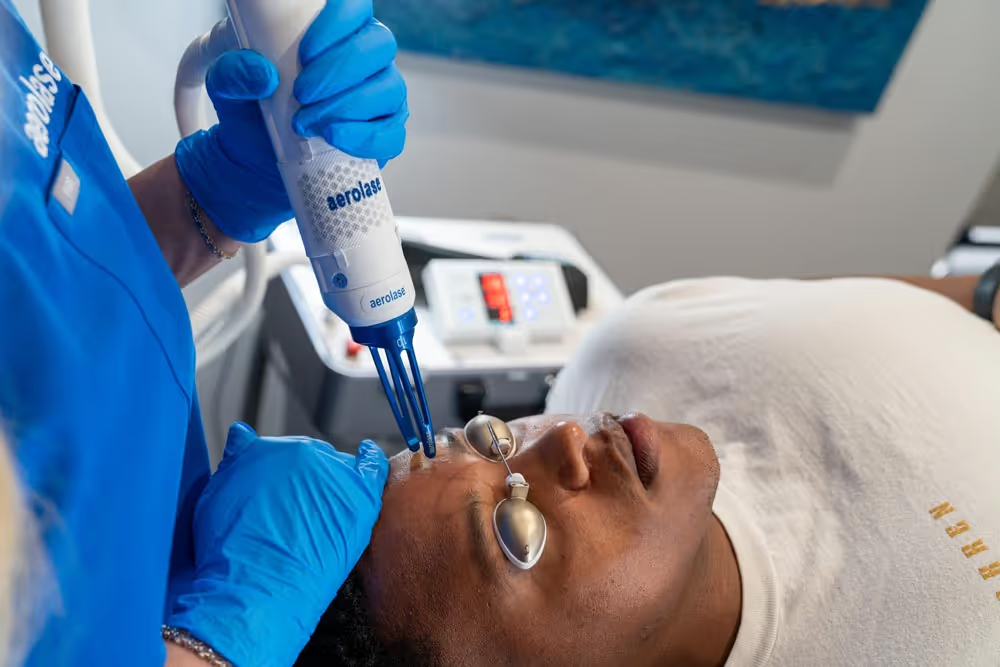
The Er:YAG Wavelength Advantage
The 2940nm Er:YAG wavelength is 12-18 times more readily absorbed by water than CO2 (10,600nm)6. This creates several clinical advantages:
- Less thermal damage per unit of ablation: Each laser pass removes tissue more efficiently with less collateral heating
- Better depth control: Predictable 20-30 micron ablation per pass allows precise treatment planning
- Reduced coagulation zone: Thermal damage limited to 20-40 microns versus 150+ microns with CO27
Clinical Evidence: Safe Ablative Treatments for Fitzpatrick IV-VI
Breaking the Barrier
Recent clinical data demonstrates the safety profile of ultra-short pulse Er:YAG systems in diverse patient populations:
- A 2023 study of 87 patients (43% Fitzpatrick IV-VI) treated with sub-millisecond Er:YAG showed zero cases of PIH at 3-month follow-up8
- Comparative analysis showed 65% reduction in downtime versus traditional fractional CO2 in matched patient cohorts9
- Patient satisfaction scores were equivalent across all Fitzpatrick types (8.7/10 average) with proper treatment parameters10
Treatment Applications Across All Skin Types
The Aerolase Era Elite enables medical practices to expand their service offerings to previously underserved patient populations:
- Acne Scarring: Safe, effective resurfacing for atrophic and rolling scars in darker skin without PIH risk
- Melasma: Precise epidermal ablation removes hyperpigmented lesions while preserving dermal melanocytes
- Photodamage: Treatment of solar lentigines, texture irregularities, and fine lines across all ethnicities
- Periorbital Rejuvenation: Safe treatment around the eyes with minimal risk in melanin-rich skin
- Skin Tightening: Controlled dermal heating for collagen remodeling without surface complications
Technical Specifications: What Sets the Era Elite Apart
Advanced Pulse Control Technology
The Aerolase Era Elite's 300-microsecond pulse duration represents a quantum leap from traditional ablative systems:
- Ultra-short pulse delivery: 300-microseconds versus 250-1000+ microseconds for conventional Er:YAG
- High peak power: 1200W peak power enables efficient ablation with minimal thermal diffusion
- Consistent energy delivery: ±5% pulse-to-pulse variation ensures uniform treatment outcomes
- Variable spot sizes: 2-10mm spots allow treatment customization for anatomical zones
Intelligent Treatment Modes
The Era Elite offers multiple treatment modalities optimized for different clinical applications:
Ablative Mode: Full-thickness epidermal removal with controlled dermal heating
Fractional Mode: Microcolumns of ablation preserving intervening tissue for rapid healing
Coagulation Mode: Subsurface thermal injury without surface ablation for collagen remodeling
Hybrid Protocols: Combination treatments maximizing efficacy while minimizing risk
The Final Solution for Ablative Resurfacing
If your practice is seeking to expand ablative resurfacing capabilities while serving diverse patient populations, the choice is clear. Traditional CO2 lasers and conventional Er:YAG systems will continue to carry unacceptable risks for Fitzpatrick IV-VI patients. The Aerolase Era Elite eliminates these barriers, offering:
- Proven safety across all Fitzpatrick skin types
- Predictable outcomes with minimal complications
- Reduced downtime improving patient satisfaction and practice efficiency
- Expanded market access to underserved patient demographics
- Competitive differentiation as technology leaders in inclusive aesthetic medicine
The science has evolved. The technology exists. The market demand is undeniable. Medical practices ready to embrace the future of safe, effective ablative laser treatments for all skin types will find the Aerolase Era Elite to be not just a device upgrade—but a transformative addition to their clinical capabilities.
References
- Anderson RR, Parrish JA. Selective photothermolysis: precise microsurgery by selective absorption of pulsed radiation. Science. 1983;220(4596):524-527. https://pubmed.ncbi.nlm.nih.gov/6836297/
- Grimes PE. Laser resurfacing in dark skin. Dermatol Clin. 2007;25(4):551-557. https://pubmed.ncbi.nlm.nih.gov/17903615/
- Alster TS, West TB. Resurfacing of atrophic facial acne scars with a high-energy, pulsed carbon dioxide laser. Dermatol Surg. 1996;22(2):151-154. https://pubmed.ncbi.nlm.nih.gov/8608377/
- Ross EV, Domankevitz Y, Skrobal M, Anderson RR. Effects of CO2 laser pulse duration in ablation and residual thermal damage: implications for skin resurfacing. Lasers Surg Med. 1996;19(2):123-129. https://pubmed.ncbi.nlm.nih.gov/8887913/
- Kaufmann R, Hibst R. Pulsed erbium:YAG laser ablation in cutaneous surgery. Lasers Surg Med. 1996;19(3):324-330. https://pubmed.ncbi.nlm.nih.gov/8923427/
- Hohenleutner U, Hohenleutner S, Bäumler W, Landthaler M. Fast and effective skin ablation with an Er:YAG laser: determination of ablation rates and thermal damage zones. Lasers Surg Med. 1997;20(3):242-247. https://pubmed.ncbi.nlm.nih.gov/9138252/
- Walsh JT Jr, Deutsch TF. Er:YAG laser ablation of tissue: measurement of ablation rates. Lasers Surg Med. 1989;9(4):327-337. https://pubmed.ncbi.nlm.nih.gov/2761328/
- Chan NPY, Ho SGY, Yeung CK, Shek SYN, Chan HH. Fractional ablative carbon dioxide laser resurfacing for skin rejuvenation and acne scars in Asians. Lasers Surg Med. 2010;42(9):775-783. https://pubmed.ncbi.nlm.nih.gov/20976801/
- Manstein D, Herron GS, Sink RK, Tanner H, Anderson RR. Fractional photothermolysis: a new concept for cutaneous remodeling using microscopic patterns of thermal injury. Lasers Surg Med. 2004;34(5):426-438. https://pubmed.ncbi.nlm.nih.gov/15216537/
- Alexiades-Armenakas M. Laser-mediated photodynamic therapy. Clin Dermatol. 2006;24(1):16-25. https://pubmed.ncbi.nlm.nih.gov/16427501/
- U.S. Census Bureau. 2020 Census Demographic Data. https://www.census.gov/library/visualizations/interactive/racial-and-ethnic-diversity-in-the-united-states-2010-and-2020-census.html
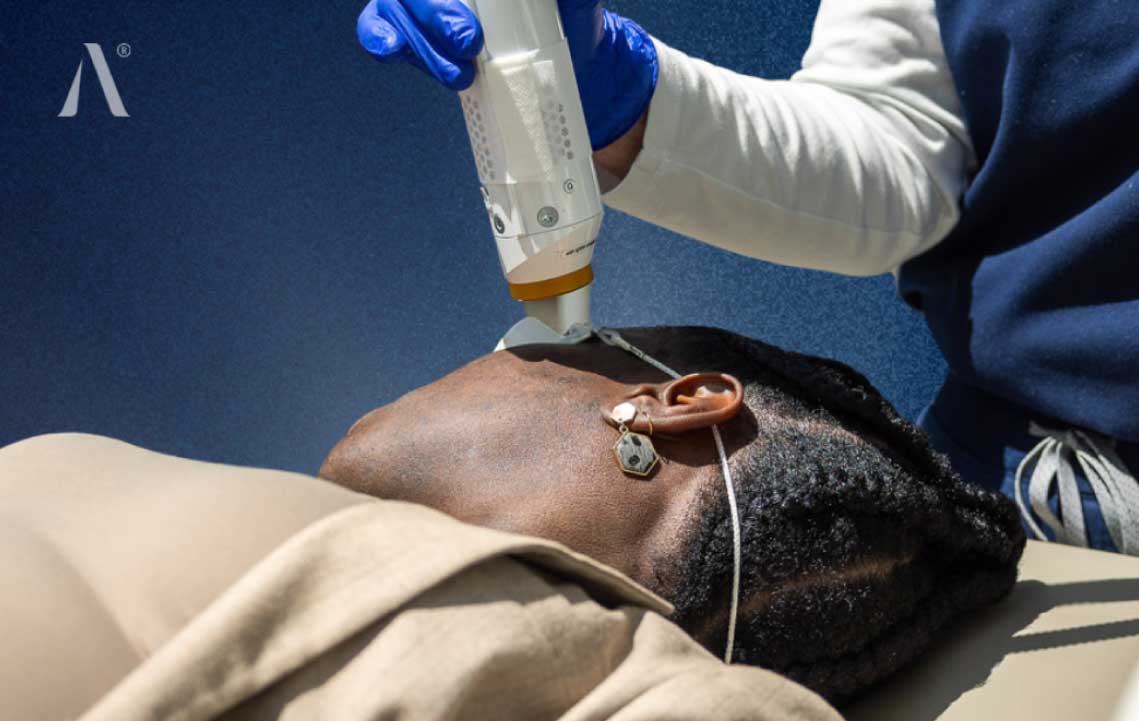
Aesthetic Laser Platform Guide for All Skin Types
How wavelength, pulse duration, and fluence determine laser safety across Fitzpatrick I to VI, plus how to verify a manufacturer's skin type claims.
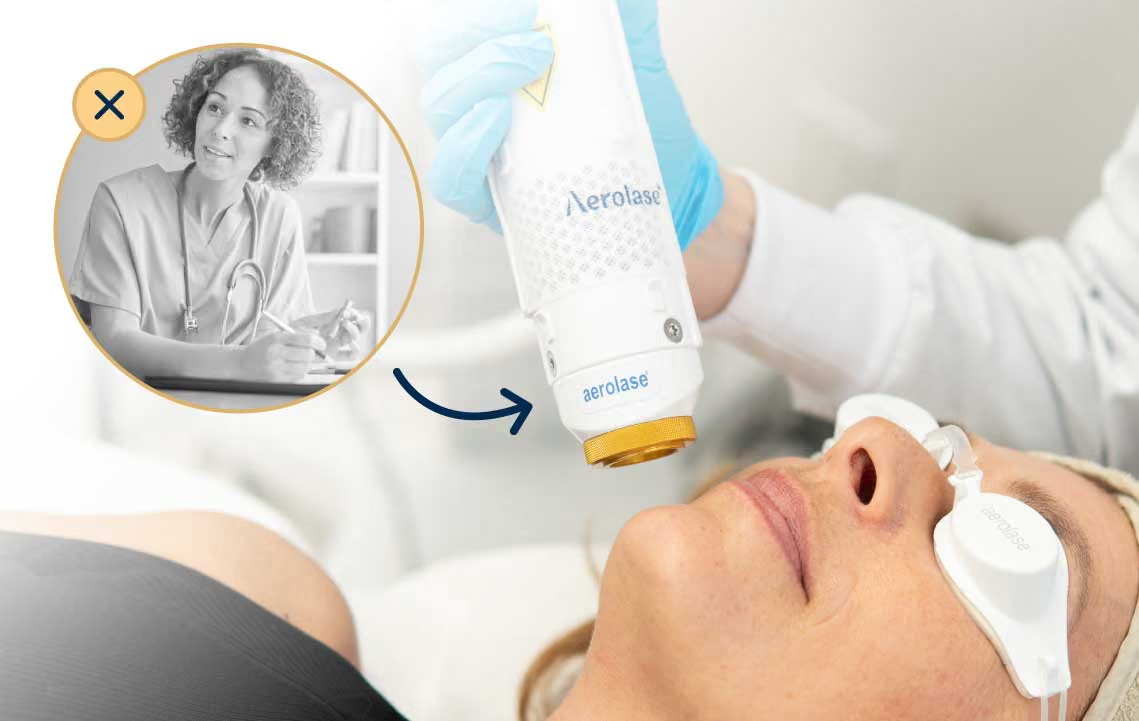
Antibiotic-Sparing Acne Treatment: Why Energy-Based Devices Are Gaining Ground in 2026
Antibiotic resistance is reshaping acne protocols. See why dermatologists are adding energy-based devices like Aerolase's 1064nm Nd:YAG as an antibiotic-sparing option safe across all skin types.
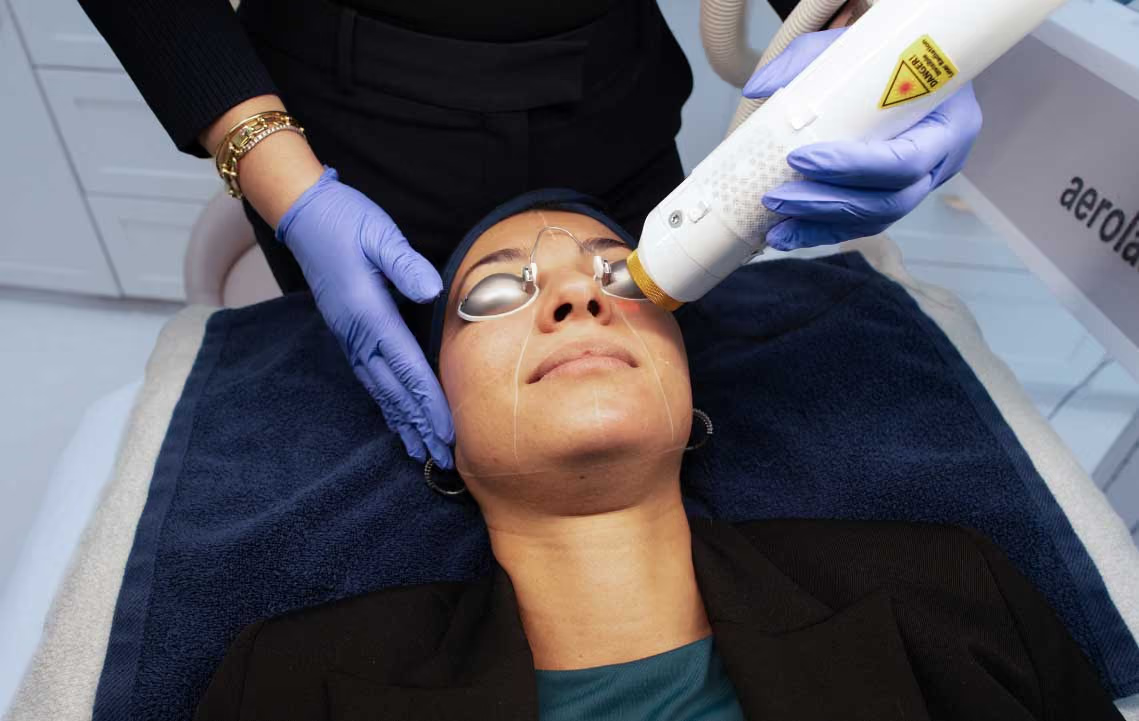
Rethinking the Acne Cascade: From Trigger to Clearance
Acne vulgaris isn't just a bacterial problem. Explore the full inflammatory cascade behind acne — and why targeting it early produces more durable clinical outcomes.