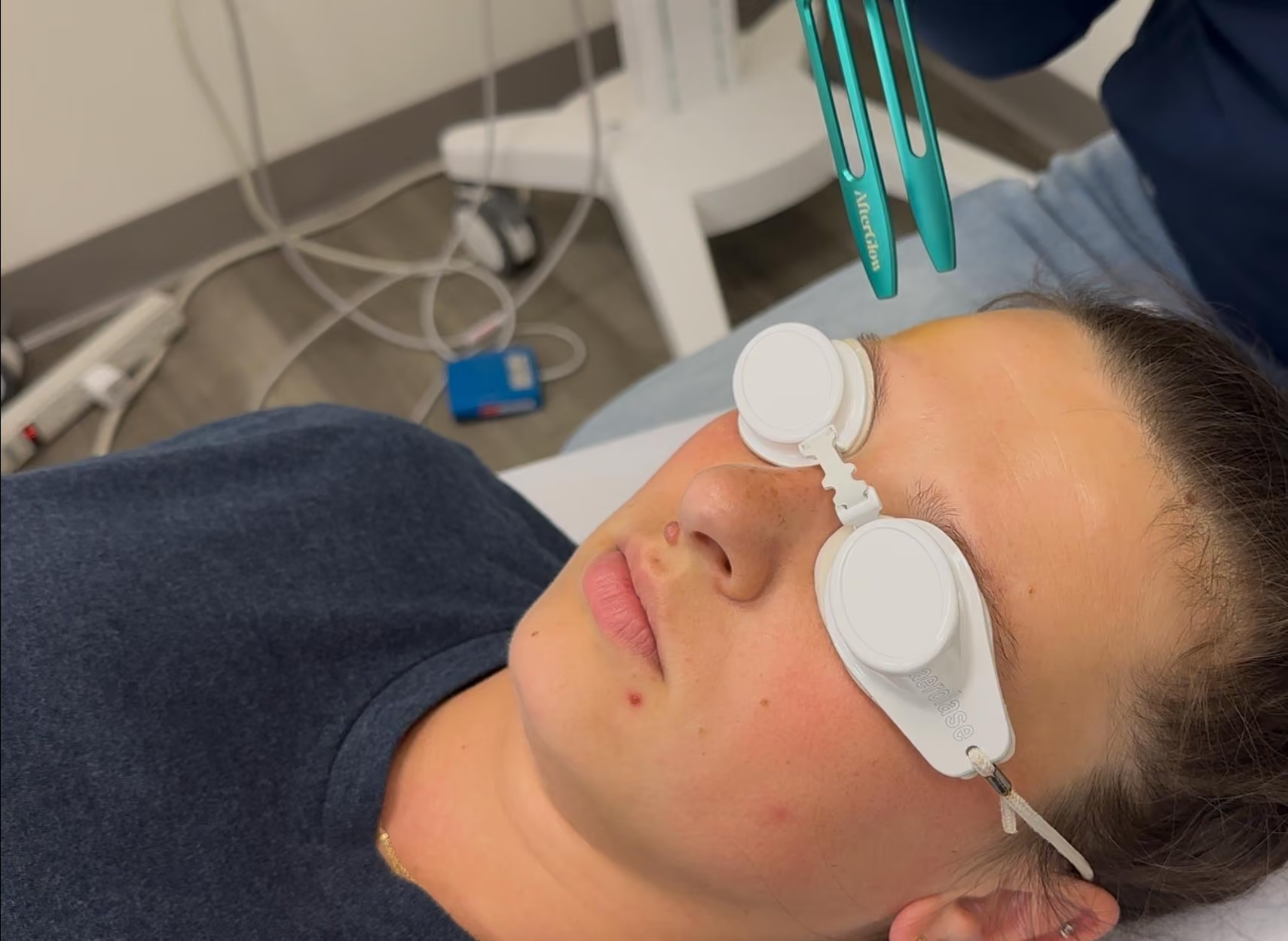
Afterglow
Sub-Ablative Rejuvenation
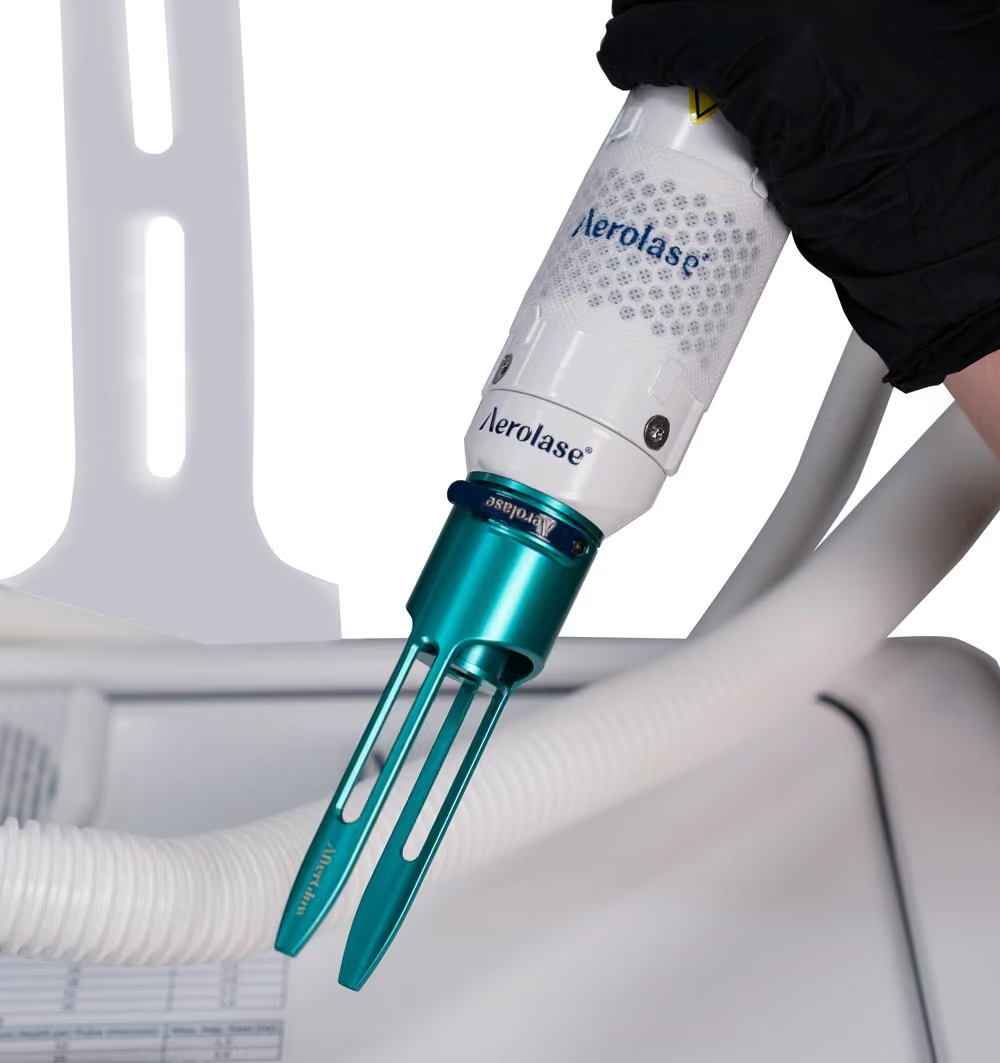
Optical Module: Afterglow
Afterglow delivers 2940nm erbium energy below the ablation threshold. The skin is stimulated, not wounded: no anesthesia, no cooling, and patients return to normal activity the same day.
Sub-Ablative Is Not Non-Ablative
Non-Ablative
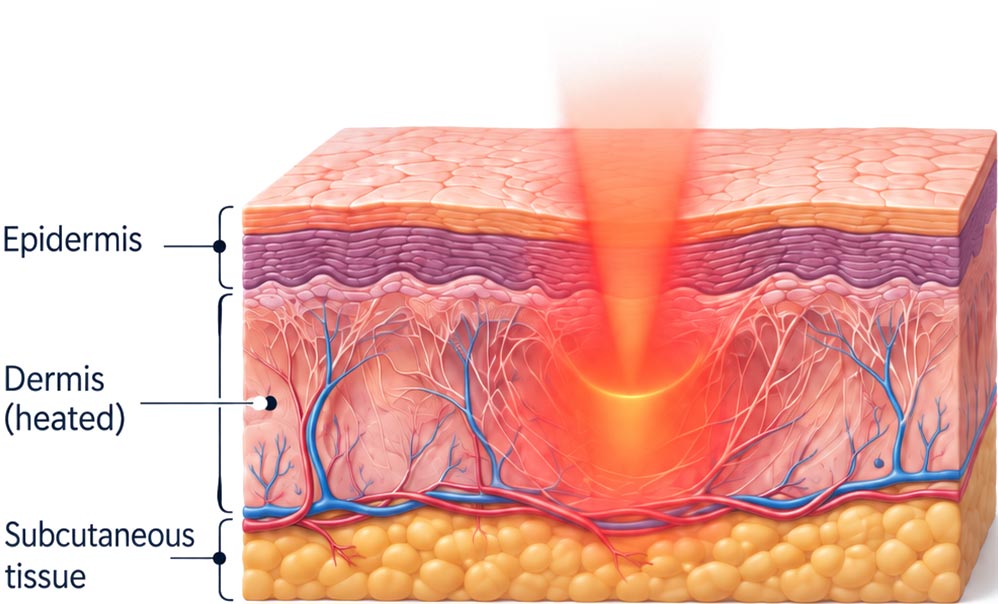
Non-ablative: Heats the dermis through an intact epidermis; changes build slowly.
Fully-Ablative
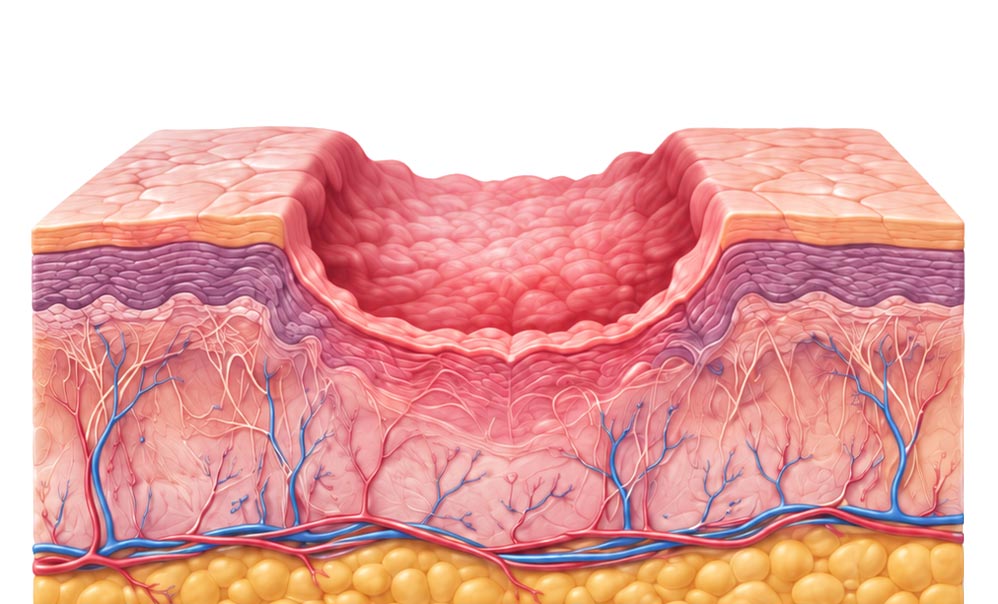
Fully-ablative: Vaporizes the epidermis and requires a week or more of recovery.
Afterglow
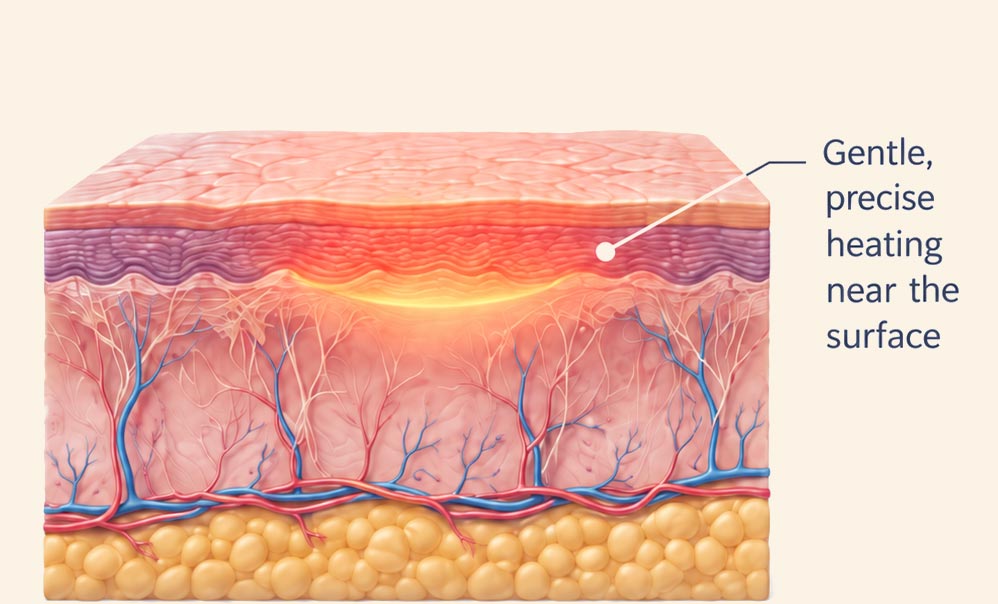
Afterglow: Energy delivered just below the ablation threshold: enough heat to trigger renewal, not enough to create a wound.
How Afterglow Works

Step 1:
Mild heating activates heat shock proteins, which initiate new collagen formation.
Step 2:
The skin tightens and thickens.
Step 3:
Over the following days, the superficial layers shed as a fine peel, improving surface texture.
Before and Afters
Texture & Tone Rejuventation
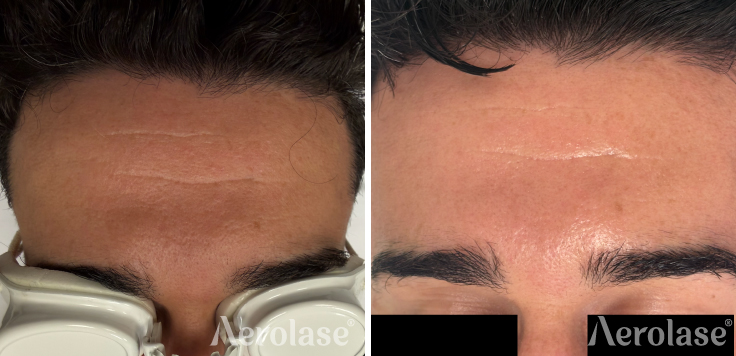
Texture & Tone Rejuventation
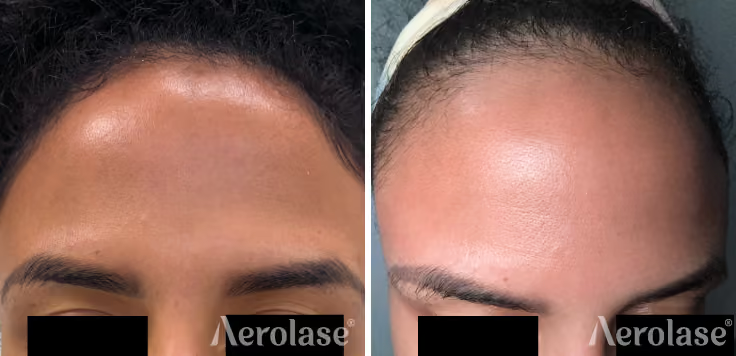
Texture & Tone Rejuventation
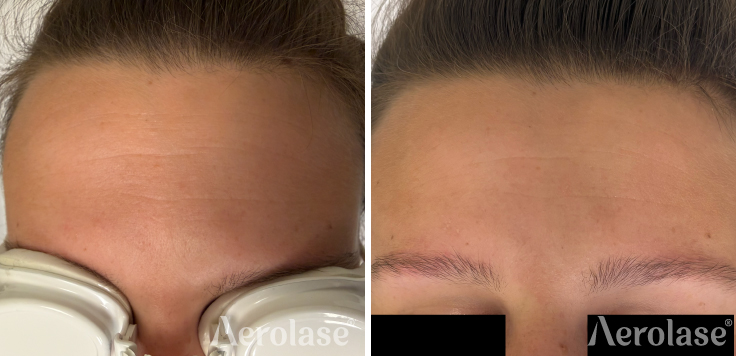
Clinical Evidence for Sub-Ablative Er:YAG
35 subjects
Visible improvement in skin texture and evenness of tone in all subjects studied.
• 8-12 hr hyperemia.
• 2-4 days light peeling.
• No complications.
90% patients
32 Patients were treated, with 100% rating the correction positively.
Afterlow is designed for patients seeking an alternative to conventional ablative peeling.
6 of 7
Sub-threshold 2940nm peel → 650-microsecond 1064nm treatment.
• Type III collagen expression rose significantly in 6 of 7 biopsied patients and Type I in 4 of 7 at one month.
Afterglow Technical Specifications
Frequently Asked Questions

Non-ablative lasers pass through an intact epidermis to heat the dermis beneath, leaving the surface untouched. Sub-ablative treatment works at the surface itself, delivering energy just below the threshold required to vaporize tissue, so the epidermis is heated and renewed without being removed. AfterGlow uses 2940nm erbium energy at 300 microseconds held below that threshold, producing surface renewal with no open wound and no barrier disruption.
The mechanisms are different, and so is what they can reach. HydraFacial and similar treatments work mechanically at the skin's surface through exfoliation and extraction. IPL and BBL use broadband light targeted at pigment and vascular structures, which is why they carry post-inflammatory hyperpigmentation risk in darker skin and are typically restricted to lighter Fitzpatrick types. AfterGlow uses focused 2940nm laser energy absorbed by water rather than melanin, so it renews within the skin rather than sitting on it, and it runs across Fitzpatrick I through VI. It is also the only one of the three that sits on a platform the patient can escalate within, from sub-ablative renewal through to full-field and hybrid fractional resurfacing.
AfterGlow is designed for use across Fitzpatrick I through VI. At 300 microseconds, energy is absorbed by water at the surface rather than lingering in melanin, which is the mechanism that drives post-inflammatory hyperpigmentation risk with longer-pulse and light-based devices. The published multi-center study covered 35 subjects across Fitzpatrick I to V, reporting improvement in texture and evenness of tone at higher skin types with one case of temporary, mild hyperpigmentation.
No. AfterGlow requires no topical anesthetic, no injected anesthesia, and no contact or cryogen cooling. Patients typically describe a warming sensation with visible tightening during treatment. Aftercare is photoprotection only, with no wound to manage.
AfterGlow's characteristics support delegation: consistent parameters, no skin contact, no anesthesia, no cooling, and minimal training required. Whether it may actually be delegated depends on your state's scope-of-practice rules for laser procedures and your medical director's protocols, which vary considerably. Confirm with your state board before building a delegated model.
See How AfterGlow Can Reinvigorate Your Patients
AfterGlow is where a patient's relationship with laser treatment begins. No wound, no aftercare, no recovery to schedule, and no reason to turn anyone away on skin tone. The patient who trusts you for their glow is the one who says yes to resurfacing later.